Despite living in a world of endless notifications and instant messaging, many young people are feeling more alone than ever.
Curtin Commerce graduate Leighton Bradfield knows this feeling all too well.
During his first year of university, he was confronted with a tragedy that no human should ever have to encounter in their lifetime.
Leighton and his close friend, Lockie O鈥橠onoghue faced the devastating loss of two close friends to suicide within just two months.
Struggling with their own mental health battles, Leighton and Lockie decided to channel their grief, experiences and shared commitment into a transformative mission, founding .
20Talk is an evidence-based charity that gives young adults the tools to tackle life鈥檚 challenges and a safe space to find true connection through the power of real, honest conversation.
Today, we live in a world where our phones have often become an easy escape from the realities and conversations we often need to confront.
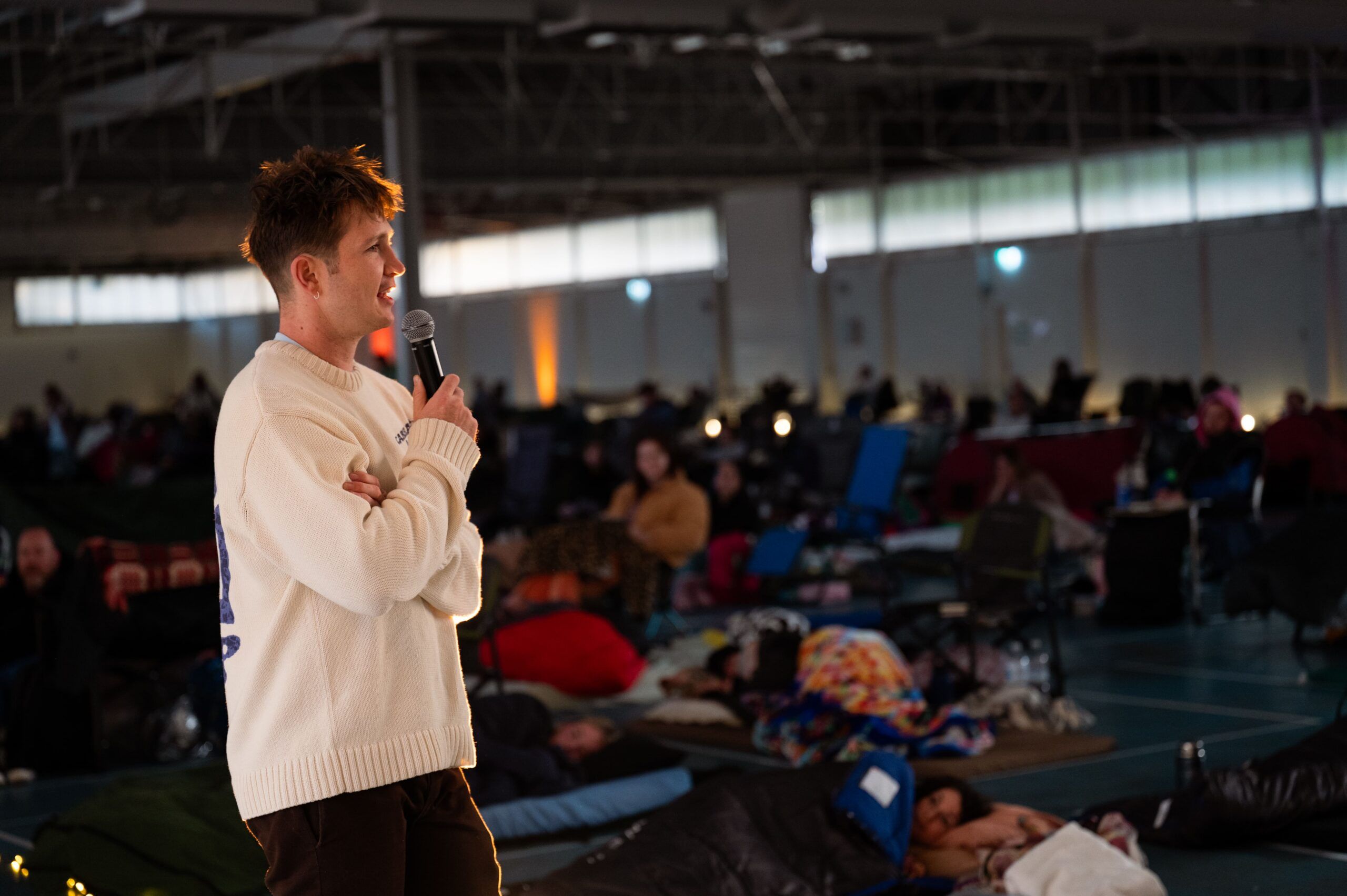
Launching in 2024, is a mental health challenge that seeks to change this.
For 20 hours, participants sit silently with what many of us spend our lifetimes avoiding: ourselves.

鈥淭he purpose of this event is to help people self-reflect, we are often so distracted by technology that we don鈥檛 really look inwards anymore,鈥� Leighton said.
Leighton said deciding to tackle such a big and important issue in society wasn鈥檛 just an idea 鈥� it was necessary.
鈥淲e noticed what was currently out there wasn鈥檛 working and didn鈥檛 connect to young people 鈥� so, we needed to innovate,鈥欌�� he said.
Today, Australians are more likely to die by suicide than from skin cancer.
With suicide being the leading cause of death among Australians aged 25-44 ().
Disturbingly, only two per cent of mental health funding is directed towards prevention charities, while 98 per cent is allocated toward interventions and crisis management.
Drawing from their own experiences navigating the challenges of early adulthood, 20Talk arose out of recognition that the current mental health system is clunky, unrelatable and overly abundant.
Consequently, leaving many young people unsure of who to trust.
鈥淭here are a lot of great clinical services out there that serve a very strong purpose, but sometimes their ability to engage with young people and how they educate them online is often really poor,鈥� Leighton said.
鈥淎s a result, you鈥檝e got many young people and those on the fringes of society who don鈥檛 want to engage with a clinical service.鈥�
Going beyond conventional mental health support, 20Talk strives to empower young adults to take charge of their mental health journey.

Through their evidence-based programs, they foster a culture of personal and community wellbeing, creating a supportive and understanding environment where every conversation matters.
鈥淲e want to create spaces where people are not afraid to talk about really tough things, open up and be real,鈥� Leighton said.
鈥淚f we don鈥檛 have these honest conversations, then people feel more isolated.鈥�
Since its beginning, 20Talk has raised more than $3 million for youth mental health.
Serving as a powerful reminder to young Australians that taking your mental health seriously doesn鈥檛 mean doing it alone.
鈥淲e all desire and need connection,鈥� Leighton said.
鈥淚t鈥檚 important to remember that everyone experiences mental health struggles in their own way, there鈥檚 no such thing as worse or better.
鈥淲e all go through tough times, and once you understand that you can really speak to anyone and connect in some way.鈥�
If you see a friend going through a tough time, Leighton said don鈥檛 be afraid to start a conversation.
鈥淚f anything, sit with them in the darkness, ask them how they are going, and just be there,鈥� he said.
鈥淔inally, listen to them and encourage them to seek professional help.鈥�

In the future, Leighton and Lockie are looking to expand 20Talk over east.
鈥淎t the moment, our goal is to have all our mental health maintenance training free in all universities across Australia.
鈥淲e will also be setting up our Sydney office next year as we are looking to expand our 20Hours program to more than 20,000 people per year.鈥�
Learn more about 20Talk鈥檚 programs .
We understand some readers may find this content distressing. Support is available through Lifeline (13 11 14) or the Suicide Call Back Service (1300 659 467).