Curtin Alumni & Friends Curtin Graduates and Supporters 2026-11-05T07:17:57Z /friends/feed/atom/ WordPress /friends/wp-content/uploads/sites/2/2023/10/Logo-150x150.png Caitlin Reynolds <![CDATA[Curtin graduate opening doors through the power of education]]> /friends/?p=31017 2026-11-05T07:17:57Z 2026-10-30T07:09:39Z Living in South Africa during the apartheid, Dr Jennet Hansen experienced firsthand what it felt like to be invisible.

Living under systemic racism, Jennet saw how much a person’s skin colour could shape the opportunities available to them.

Where you lived, where you went to school, and the paths open to you in life were all influenced by how you were seen within that system.

“Growing up during apartheid meant inequality was something you saw and experienced every day,” she said.

“As a child, you don’t necessarily have the language to understand a political system like apartheid, but you understand very quickly when people are being treated differently.”

Through her mother, Jennet saw how education was the pathway to a different future.

Despite having very little formal education, she was determined to ensure that her children would have better opportunities through education.

dr jennet hansen with her mother at her curtin graduation.
Dr Jennet Hansen with her mother at her Curtin Graduation.

“Growing up with institutionalised segregation and significant financial hardship, my family understood that education could open doors that society might otherwise keep closed,” Jennet said.

“Mum believed that education was our pathway to a different future.”

And this belief has stayed with Jennet her entire life.

“My mum taught me very early on that circumstances should never be confused with potential.”

Today, this philosophy has become pivotal in her work as an educator.

For more than two decades, Jennet has dedicated much of her life to improving the outcomes of Aboriginal students and their families.

As the Program Coordinator of the program at Sevenoaks College, she uses her experience to relate to the students’ own experiences of racial and cultural biases.

dr jennet hansen with sevenoaks senior college students during harmony day.
Jennet with some students at Sevenoaks College for Harmony Day.

“I never want a young person to believe that their background, culture or identity limits what they can become,” she said.

“It took me many years to understand that the problem was never the colour of my skin, it was the system that told me it was something I needed to overcome.”

Offered at more than a hundred secondary schools in Australia, provides educational pathways for Aboriginal students to successfully complete their secondary schooling.

“At Sevenoaks, I often say that Follow the Dream is a community, not just a program,” she said.

“Our students know there are people around them who believe in them and will walk alongside them.”

For more than 20 years, Jennet has facilitated Sevenoaks place-based learning initiatives with students, incorporating local ecosystem studies of the Djarlgarro Beelier (Canning River), cultural mapping and historical research in collaboration with local Elders.

“While my background has given me empathy and a deep belief in equity, I am also very conscious that my experience is not the Aboriginal experience,” she said.

“My role is to listen, learn, build relationships and create opportunities and most importantly, to stand alongside Elders, Aboriginal students, families and community rather than speaking for them.”

dr jennet hansen with elders.
Jennet with local Elders in the community.

For more than 20 years, the biggest lesson Jennet has learned from her students is their unwavering resilience.

“I have been deeply humbled by the resilience of Aboriginal people,” she said.

“My students have taught me that resilience isn’t about pretending hardship doesn’t exist, it’s about continuing to find strength, connection and hope despite it.”

Last year, Jennet received the for her tireless dedication to improving outcomes for Aboriginal students and their families.

But for Jennet, her greatest measure of success isn’t what she has achieved, but what her students have gone onto accomplish.

dr jennet hansen at the polly farmer foundation follow the dream anniversary.
Jennet with students at the Polly Farmer Foundation Follow the Dream anniversary.

One of her former students, Allira Sinclair is a sessional academic at Curtin’s Centre for Aboriginal Studies.

Now, as an educator herself, Allira is passionate about paving the way forward for the next generation of Aboriginal students.
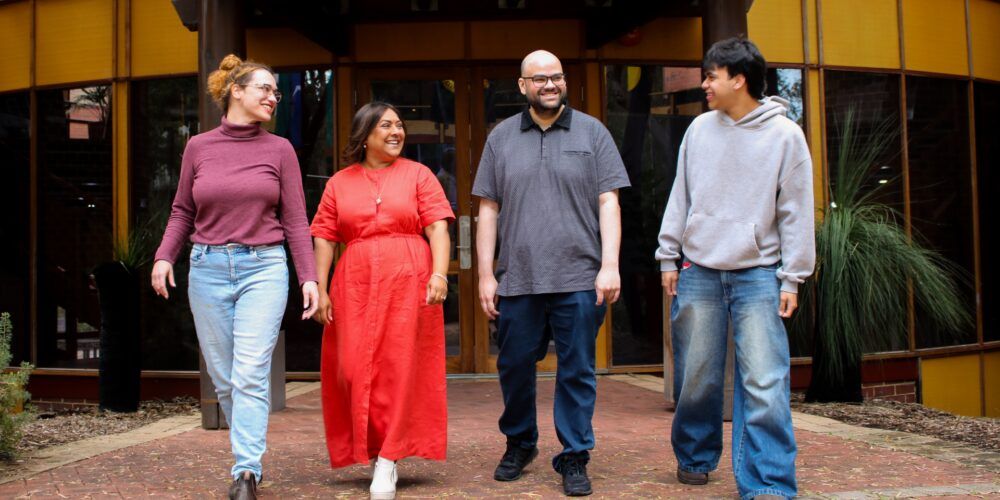
curtin graduate jennet hansen with students
Allira, pictured on the far left, with former Follow the Dream students and Jennet at Curtin’s Centre for Aboriginal Studies.

“Jennet was like a mother figure and always made us feel like we belonged,” she said.

“Her empathy and support are something I always try to carry on and show my students.”

To this day, Jennet is still deeply invested in her students’ journeys.

“I still celebrate their milestones with them, from securing their first job, starting their own families to buying their first home,” she said.

“It’s an absolute privilege to still be a part of their lives and watch them grow into the people they were always capable of becoming.

dr jennet hansen with some of her students at sevenoaks college.
Jennet (pictured in the centre) is deeply invested in her students journeys.

This World Teachers’ Day, Dr Jennet’s advice for aspiring teachers is simple – don’t lose faith.

“Teaching isn’t always easy, and you won’t always see the impact of what you do straight away,” she said.

“Don’t lose faith in yourself, in your students, and most importantly, in the difference you can make.”

, Program Coordinator at Sevenoaks Senior College

A passionate educator and advocate for equity in education, Dr Jennet Hansen is the Polly Farmer Foundation Follow the Dream Coordinator at Sevenoaks Senior College. For more than two decades, Jennet has dedicated her career empowering Aboriginal students through culturally responsive education. Through her leadership and dedication, Jennet’s passion for education has led to significant improvements in attendance, achievements and success in post-school pathways for Aboriginal students.

]]>
0
Caitlin Reynolds <![CDATA[Curtin graduate empowering the next generation of rural pharmacists]]> /friends/?p=30935 2026-10-29T05:34:02Z 2026-10-29T05:33:05Z From being an intern in regional Western Australia to mentoring the next generation, Curtin Pharmacy graduate Shaylee Mills is breaking barriers in rural pharmacy.

Known as , Shaylee uses her platform to share the unfiltered reality of working in rural pharmacy to her community of more than 500,000 followers, challenging stereotypes and empowering the next generation to make a real difference.

As a fourth-generation farm girl from WA’s wheatbelt, Shaylee never planned to return to the country, but six months before graduating from university she made the last-minute decision to return to the red dirt.

curtin pharmacy graduate shaylee mills in rural western australia.
Falling in love with the possibilities of rural pharmacy, Shaylee is a pharmacist in Karratha.

What started as a three-week student placement at Pharmacy 777 in Broome during her final year at Curtin led to a life-changing moment.

Falling in love with the community, people and possibilities of rural pharmacy, Shaylee landed a job at Pharmacy 777 as a full-time registered pharmacist in Karratha.

curtin pharmacy graduate shaylee mills with curtin pharmacy interns.
Shaylee is passionate about mentoring the next generation of rural pharmacists, including Curtin Pharmacy graduates.

As a rural pharmacist, Shaylee wears many hats, with most of her time being split between three community pharmacies and a weekly stint at the Aboriginal Health Service in Roebourne.

Her days aren’t just filling prescriptions behind a desk but mostly spent on the ground.

From building real connections with patients living in some of the most isolated parts of the country to bridging gaps when medical services are hours away or unavailable and advocating for care that meets the needs of people where they are.

Since beginning as an intern in Broome to becoming a registered pharmacist in Karratha, Shaylee has seen first-hand the value pharmacists have in the longevity of rural communities.

“In the country, people don’t have the luxury to just go anywhere because there is often only one pharmacy, so that means your often central to your patient’s world,” she said.

But the challenge of being a rural pharmacist is also very real.

Working rural often means support on the ground can be limited, especially when you’re the only pharmacist on shift.

“Staff shortages are a real challenge, I was working more hours than interns based in the city while studying part-time, which was very exhausting,” she said.

“Just being the new pharmacist in town was hard, I had to learn how to build trust with my patients from the ground up.

“But it does get easier, you just need to be willing to have a chat and listen carefully.”

When it comes to meeting the rising demands of future healthcare in Australia, particularly in the country, Shaylee believes it’s about lifting each other up.

curtin graduate shaylee mills seated in the middle of fellow pharmacists in rural western australia.
Shaylee believes in empowering each other to demands of the future of rural healthcare in Australia.

“At the end of the day, we need to empower each other and promote good workplace culture to collectively upskill to hold the future demands of our ageing population and the rise of digitisation,” she said.

“Alongside this, it’s also ensuring that the government and organisations are doing it at a pace that accommodates how health professionals work, especially in rural healthcare.”

This Rural Women’s Day, Shaylee encourages aspiring pharmacists not to be afraid to embrace a rural career.

curtin pharmacy graduate shaylee mills with her pharmacy 777 karatha team.
Shaylee with the Pharmacy 777 team.

“If you’re really interested in a rural pharmacy career, you owe it to yourself to give it a try,” she said.

“Becoming a rural pharmacist has made me realise just how far a pharmacy degree can take you.

“This career has given me the flexibility and freedom to see some of the most beautiful parts of Australia while making a meaningful difference in the community.”

Shaylee Mills, Rural Pharmacist at and Founder of

Graduating from Curtin with a Bachelor of Pharmacy (First Class Honours) 2021, Shaylee is a dedicated rural pharmacist on a mission to empower early-career pharmacists and show the potential of a path in rural pharmacy. Now, Shaylee is practising pharmacy in one of WA’s most remote towns delivering clinical care across community pharmacy and Aboriginal Health Services. As the Founder of The Rural Pharmacist, Shaylee is passionate about making rural pharmacy careers more visible and sharing the real stores of rural practice to more than 100,000 followers around the world.

]]>
0
Caitlin Reynolds <![CDATA[450 days at -56 degrees Celsius: What Antarctica taught Matty Jordan]]> /friends/?p=30879 2026-10-29T06:02:13Z 2026-10-12T00:43:49Z Imagine waking up and stepping outside where the temperature has fallen to minus 56 degrees Celsius.

The sun has disappeared. There is no fresh fruit or vegetables, and your body has lost all sense of day and night.

It may sound like another world, but this isn’t fiction – this is Antarctica.

For Curtin Civil Engineering graduate Matty Jordan, this was his reality for over a year.

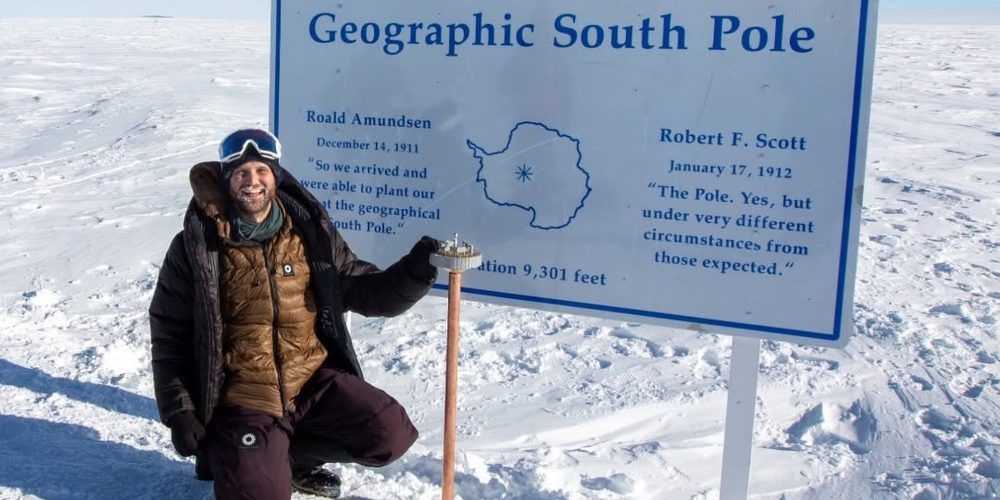
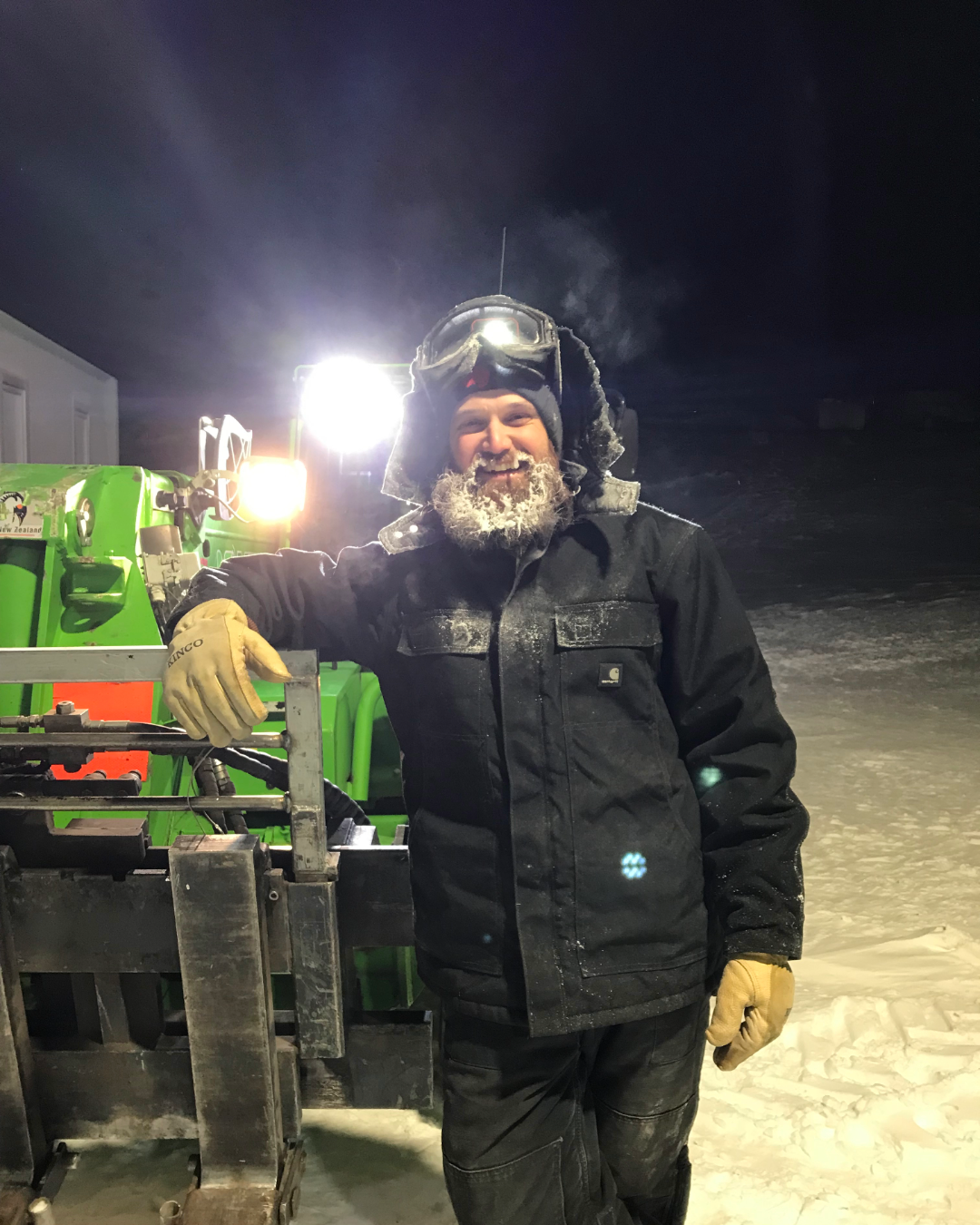
For 450 days across eight expeditions, Matty lived and worked at , one of the most remote and unforgiving places on Earth.

What began as a dream opportunity quickly became one of the most challenging experiences of his life when he spent the winter there in 2023.

Outside, Matty said the cold was so extreme that every movement required preparation, while inside, the endless darkness began to take its toll.


For more than 400 days, Matty worked in the most unforgiving place on Earth.

“This was arguably one of the hardest situations I have voluntarily put myself in,’’ he said.

“Sleep was super challenging.

“It’s so dark outside that you lose your circadian rhythm as there are no triggers telling your body that it’s time to go to sleep.”

Food was another reminder of just how far from home Antarctica was.

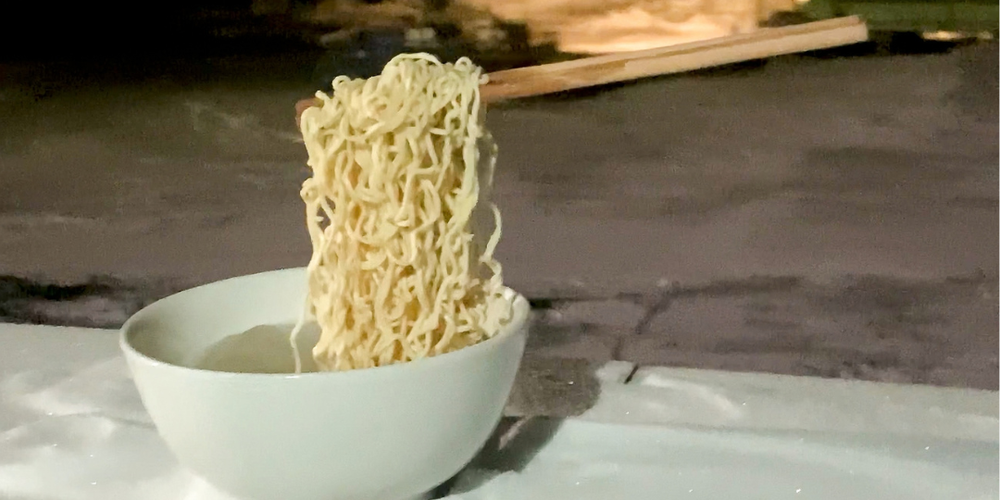
“There was no fresh fruit or vegetables, so we were mostly eating tinned fruit and frozen veggies, which was difficult at times,” he said.

Living in Antarctica often means having a nutritious meal can be limited.

Yet somewhere in the darkness, something changed.

The more time Matty spent in Antarctica, the more he began to see it not simply as a place of extremes, but as a place that could teach us something about our own planet – and ourselves.

For almost a decade, he has worked alongside world-leading scientists and researchers, witnessing firsthand the changes taking place across the frozen continent.

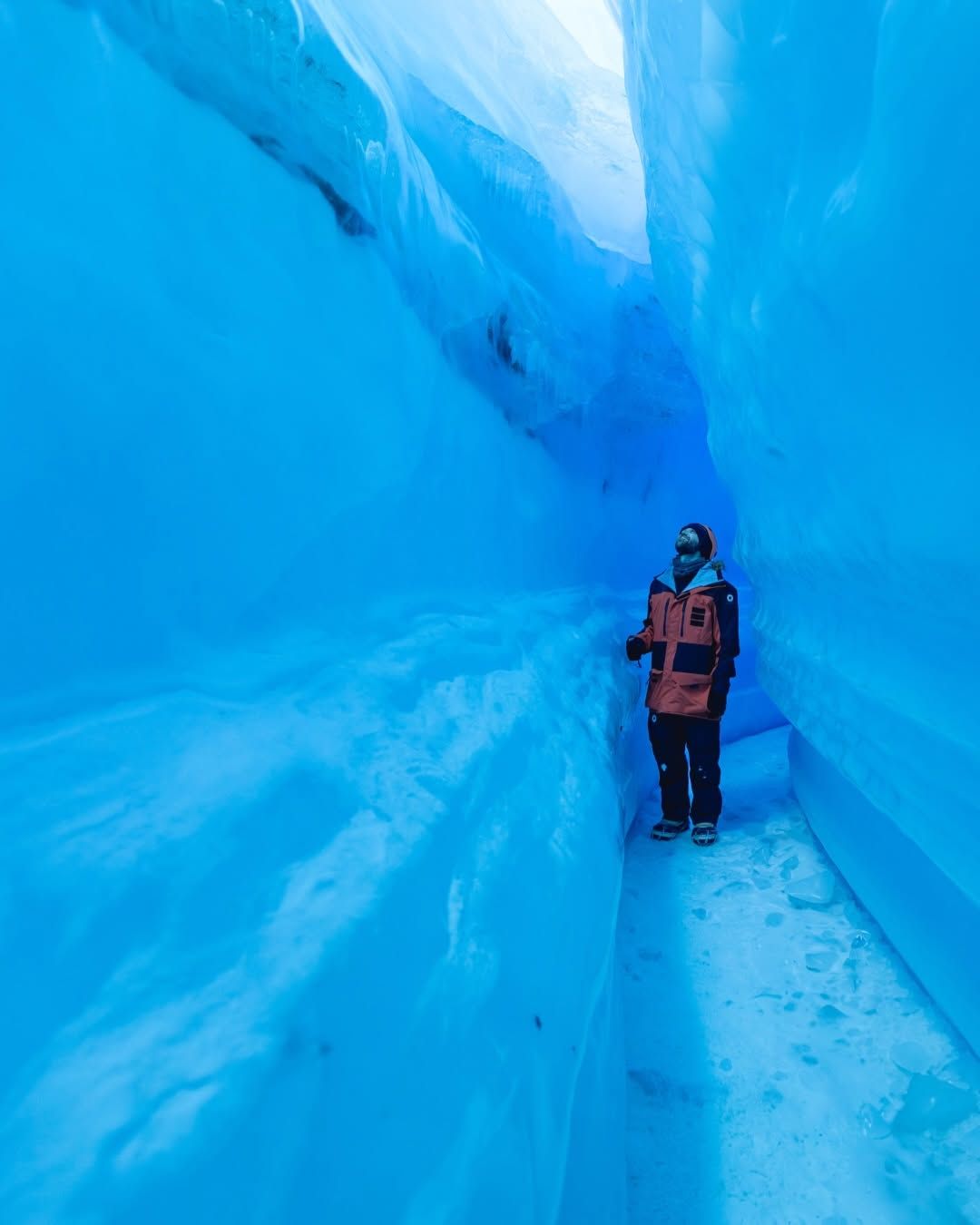
Matty inside an ice tunnel in Queen Maud Land in Antarctica.

He has seen landscapes that have been documented for generations and heard from scientists who have spent decades returning to the same places.

“Talking to scientists who have worked in Antarctica for more than 30 years and comparing photos from the 60s to now, there is a very noticeable change in the landscape,” he said.

“Working in Antarctica you literally have a historic record of the Earth’s climate right in front of you – it really is the Earth’s best laboratory.”

It was a perspective Matty felt compelled to share.

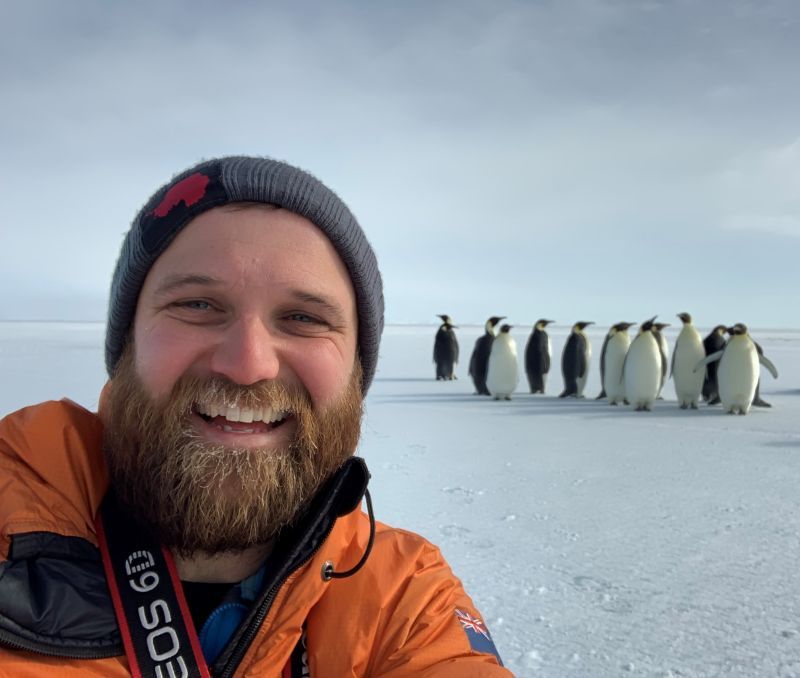
Matty with a waddle of penguins in Antarctica.

He began documenting his life in Antarctica on social media, initially simply to answer the endless questions coming from family and friends back home.

With more videos, his audience grew.

Today he is one of the world’s most widely known Antarctica explorers, with more than two million followers and more than a billion views across social media.

“I never set out to be a content creator,” he said.

What started as a way of keeping people connected to his extraordinary life soon became something much bigger.

Beneath the breathtaking landscapes and spectacular footage, Matty’s message is deeply human.

He wants people to understand what it takes to live and work in one of the most extreme environments on the planet – the isolation, the exhaustion, the uncertainty and the moments of awe that make it all worthwhile.

For more than 30 years, Matty has worked with scientists in Antarctica.

For Matty, Antarctica is not some distant, frozen wilderness disconnected from the rest of the world. It is a living record of what is happening to our planet.

His social media has become a way to bring that story into millions of homes, making a place that can feel impossibly far away suddenly feel real.

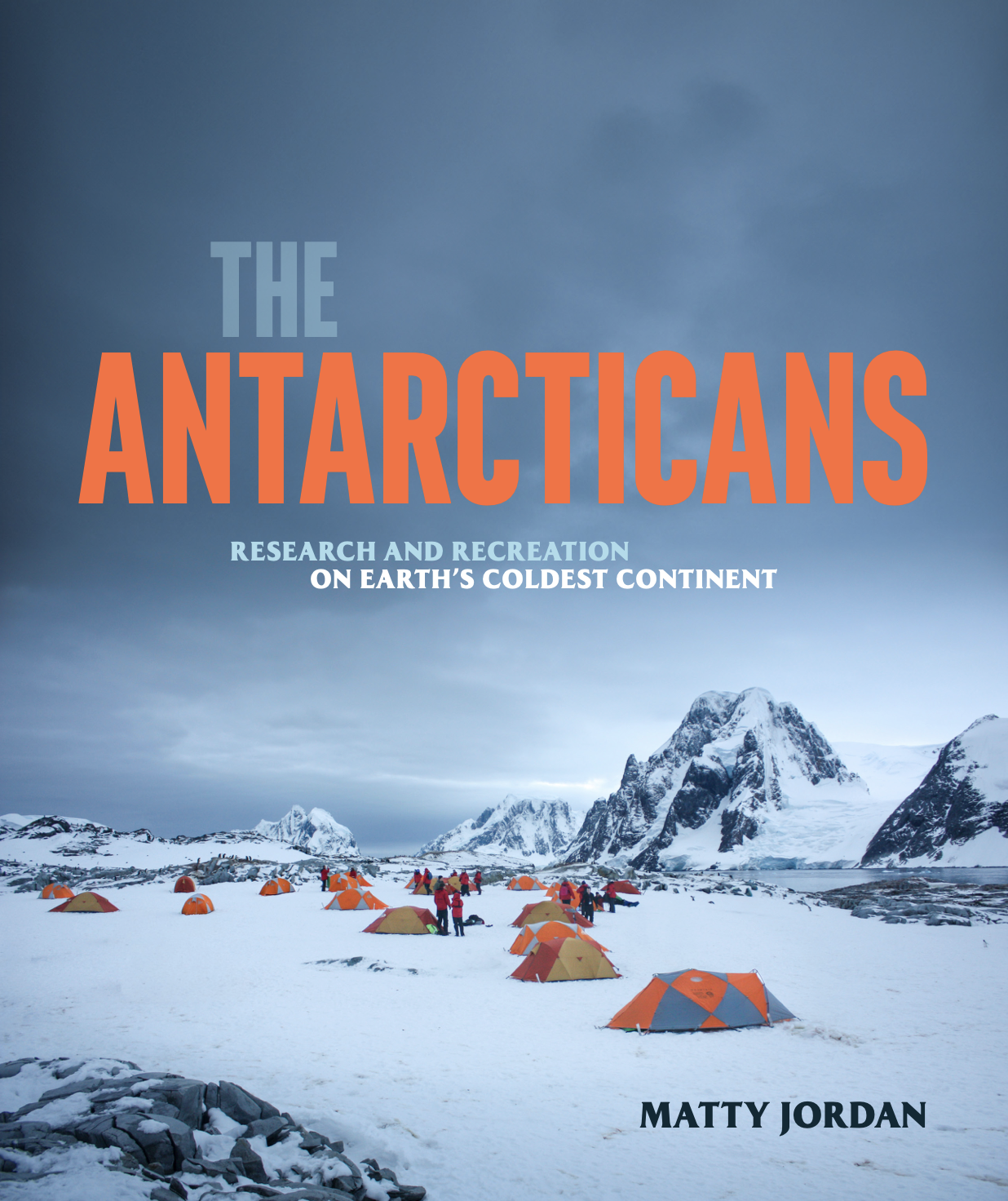
For those who aren’t on social media, his book brings the continent into their living rooms.

Matty’s book, ‘The Antarcticans’.

So, how does someone from Curtin end up working in one of the coldest places on Earth?

“Firstly, you don’t need to be a scientist to work here, so let’s bust that myth,” he said.

Instead, he says, the ability to work as part of a small team is one of the most important qualities you can bring with you.

But perhaps the biggest question is not whether you can get there. It’s why you want to go.

“From the outset everything looks exciting, and this has indeed been one of the best things I’ve ever done in my life, but it has also been one of the hardest,’’ he said.

That contrast between extraordinary beauty and extraordinary hardship – is perhaps what Antarctica has taught Matty most.

And sometimes life’s most rewarding experiences are also the ones that demand the most from us.

, International speaker, content creator and Antarctican Explorer

Graduating from Curtin with a Bachelor of Science in Civil and Construction Engineering (Second Class Honours), Matty has since built an incredible career as the world’s most followed Antarctican with a strong community of more than 2 million people on social media. As a former project manager for New Zealand’s Antarctic Programme, Matty has led challenging construction projects supporting world-leading climate science. Currently, he serves as a Board Director for the Antarctican Society.

]]>
0
Caitlin Reynolds <![CDATA[From engineering leader to stroke advocate]]> /friends/?p=30504 2026-10-29T06:06:05Z 2026-08-05T01:40:58Z Growing up, Johanna Barron-Perry dreamed of becoming an engineer after watching her father, a mechanical engineer, help build most of Australia’s major power stations.

But in school, she was told that girls couldn’t be engineers.

She proved them wrong.

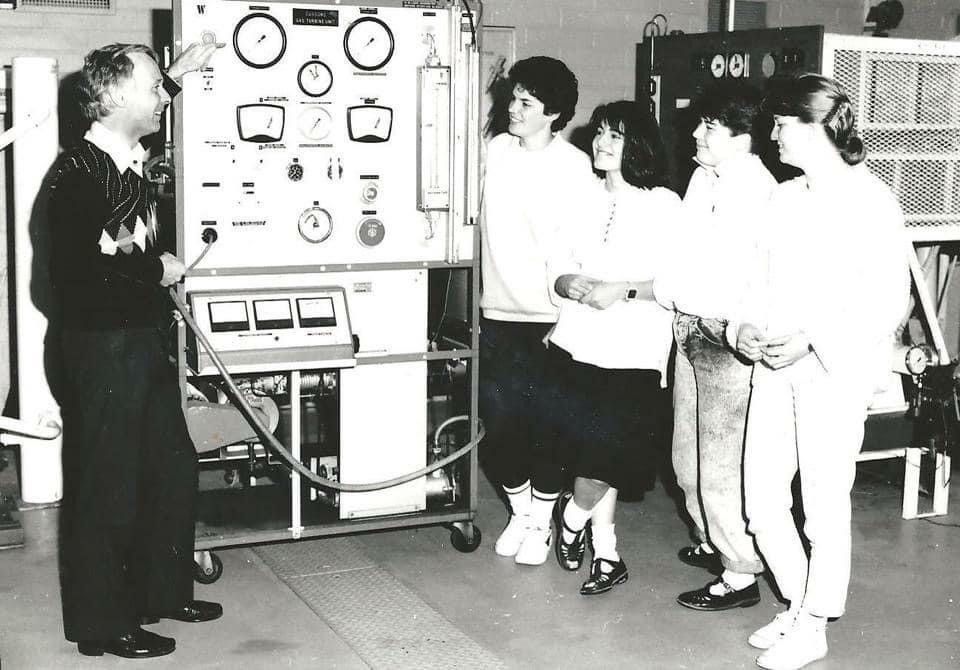
Jo went on to study engineering at university, where she was one of four women in her first-year cohort – the largest female intake the course had ever seen.

Johanna studied engineering at university, where she was one of four women in her first-year cohort.

More than 30 years later, she has built an impressive career in leadership, holding senior roles with global mining companies including Rio Tinto and BHP, as well as the Victorian Government.

On the surface, she was excelling in her career.

But underneath, Jo was a ticking time bomb.

At the time, she was navigating a new role after years of job uncertainty, menopause, relocation to a new state, a difficult divorce with financial stress while raising her daughter and managing her ongoing high blood pressure.

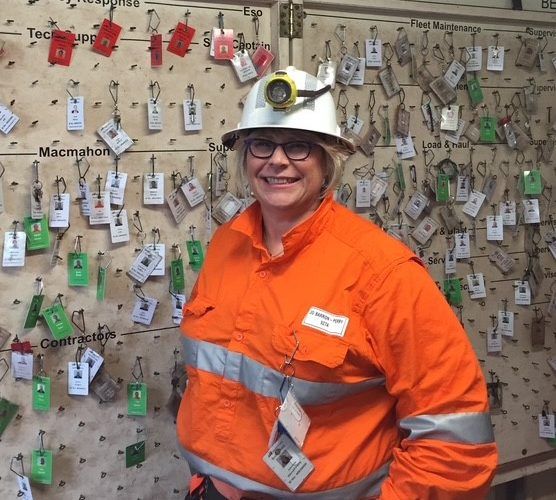
Johanna working underground at BHP Olympic Dam.

“I had developed gestational hypertension during a high-risk pregnancy that was expected to resolve after my daughter’s birth, but my blood pressure never fully returned to normal,” Jo said.

“Looking back, my condition worsened because it was not managed consistently, both by me and within the healthcare system, due to the challenges of living remotely with limited access to specialist care and competing life priorities.”

As the years passed, this personal burden compounded.

One day while she was unpacking from a weekend interstate trip visiting her daughter, a lingering headache persisted.

Not thinking much of it, she brushed it off and went to bed.

A few hours later, she woke to a sharp pain at the base of her head.

Then, her mouth went numb, followed by a tingling sensation that travelled down her left side from the top of her head to the tips of her toes.

“At first, I thought I was having an allergic reaction, but when I tried to get out of bed, I couldn’t,” she said.

“It took a few minutes to make the effort to do it, and then I could barely stand up, like I was drunk.”

Staggering to the bathroom, she tried to make sense of what was happening.

“Looking in the mirror, I noticed a slight facial droop, and when I tested my balance, I nearly fell over,” Jo said.

Grabbing her phone, Jo began searching her symptoms before recognising the warning signs of a stroke – Face, Arms, Speech, Time.

Instantly, she called 000.

“At 50 years old, I couldn’t believe this was happening to me,” she said.

Following an urgent CT scan, Jo discovered that she had a haemorrhagic stroke, otherwise known as a bleed on the brain.

Years later, the effects of the stroke linger, including permanent dullness down the left side of her body, which worsens when she becomes tired or her blood pressure increases.

“Because I don’t always feel pain properly, particularly with my left hand, I have cut and burnt myself on several occasions without realising it,” she said.

Even simple everyday activities, like enjoying a hot coffee or stepping into a hot shower, require her to consciously adapt to the loss of sensation.

The reality of living with these changes has been tough.

But one of the hardest parts of recovery has been the invisible changes.

Curtin graduate Jo Barron-Perry at Curtin Bentley campus.

“People often assume I’m fine because I look well, but they don’t see the fatigue, cognitive overload or numbness that I have to manage every day,” she said.

Now, Jo is contributing her lived experience as a stroke survivor to help support medical research.

“My involvement in medical research has opened another path for me,” she said.

“It has shown me that I can continue to make a difference.”

Alongside Curtin senior lecturer and researcher Dr Jessica Nolan, Jo has been involved in planning research to improve stroke rehabilitation and promote best-practice care in WA.

“My perspective is particularly valuable because I’ve lived and worked across remote mining communities such as Kalgoorlie, Newman, Paraburdoo, Roxby Downs and spent many years working on FIFO rosters across Australia,” she said.

“I understand the unique challenges people face when they’re recovering from a stroke outside of major cities.”

While Australia aims for gold standard stroke rehabilitation, many Australians living in rural and remote areas often face disparities in accessing the same services compared to those living in the city, affecting their long-term recovery.

Through her lived experience, Jo is passionate about raising stroke awareness to help save lives.

“I encourage everyone to know their blood pressure numbers because early detection can save lives,” Jo said.

“Looking back, I was fortunate that I had many years of emergency training experience, so I was able to recognise my symptoms quickly and call an ambulance when I did.”

]]>
0
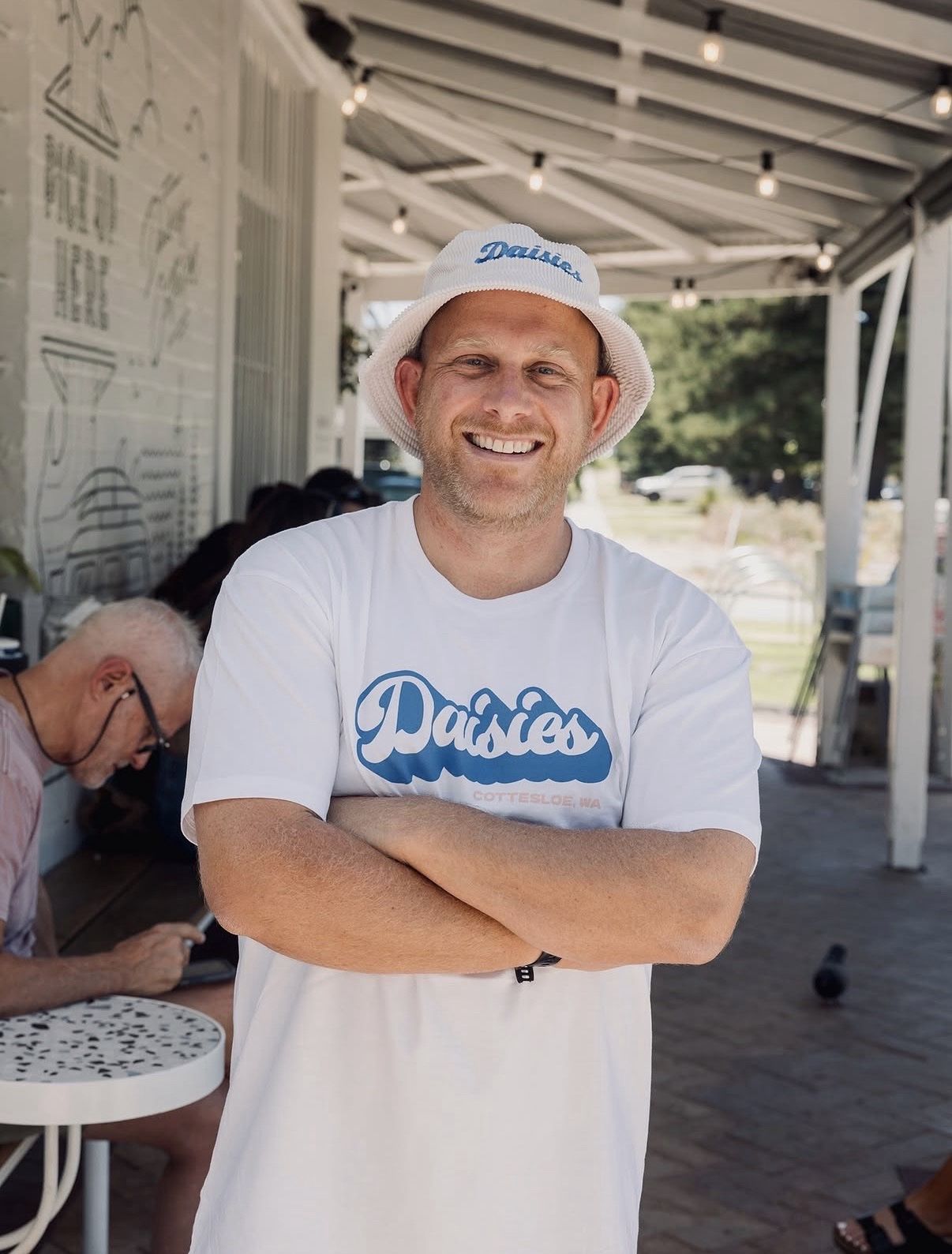
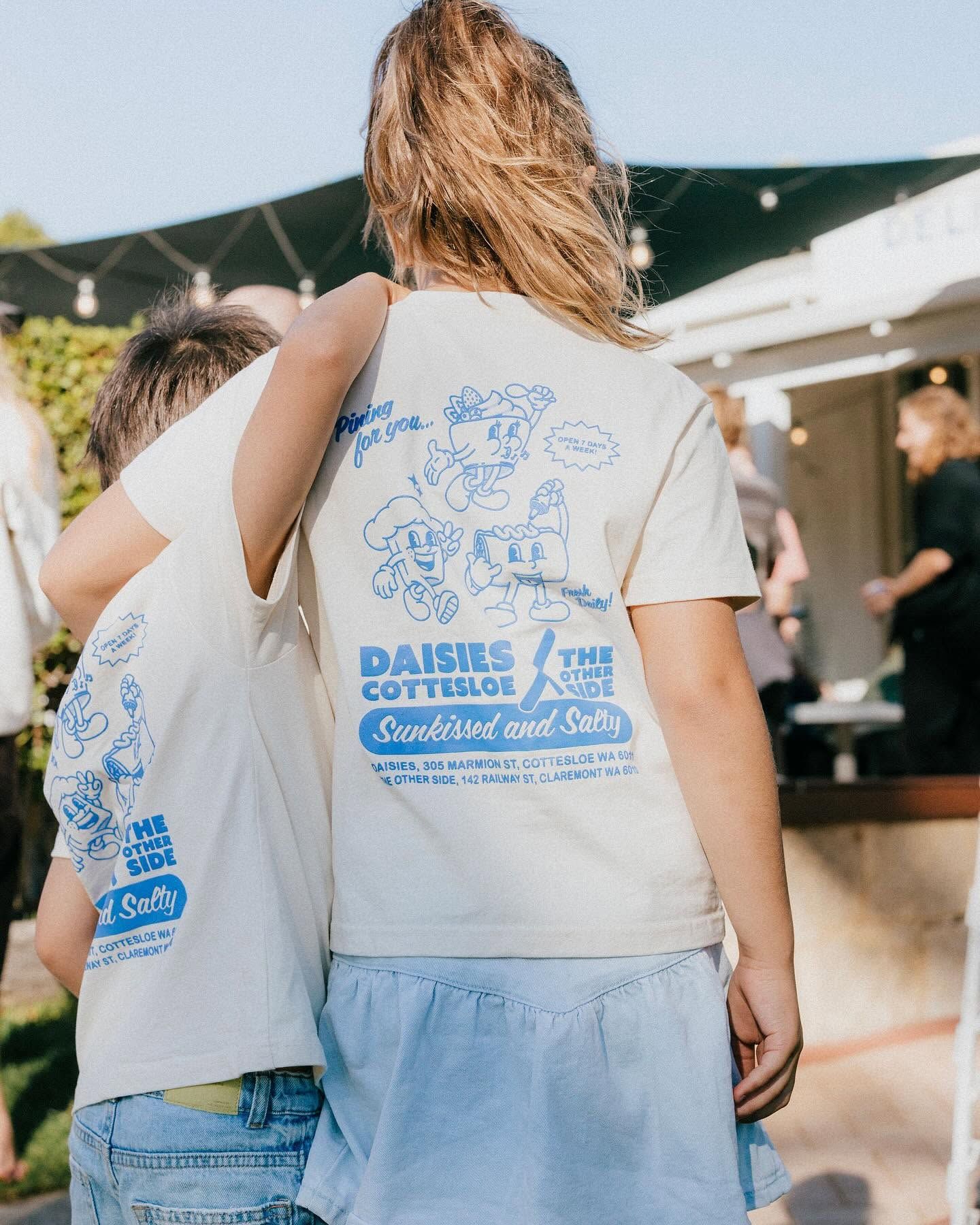
Caitlin Reynolds <![CDATA[Leaving FIFO to become the co-owner of Daisies Café Cottesloe]]> /friends/?p=30443 2026-10-29T06:34:52Z 2026-07-30T02:12:52Z Growing up in Perth’s iconic coastal suburb of Cottesloe, Sam Kaye spent many mornings and afternoons enjoying the delicious food from his local hangout –

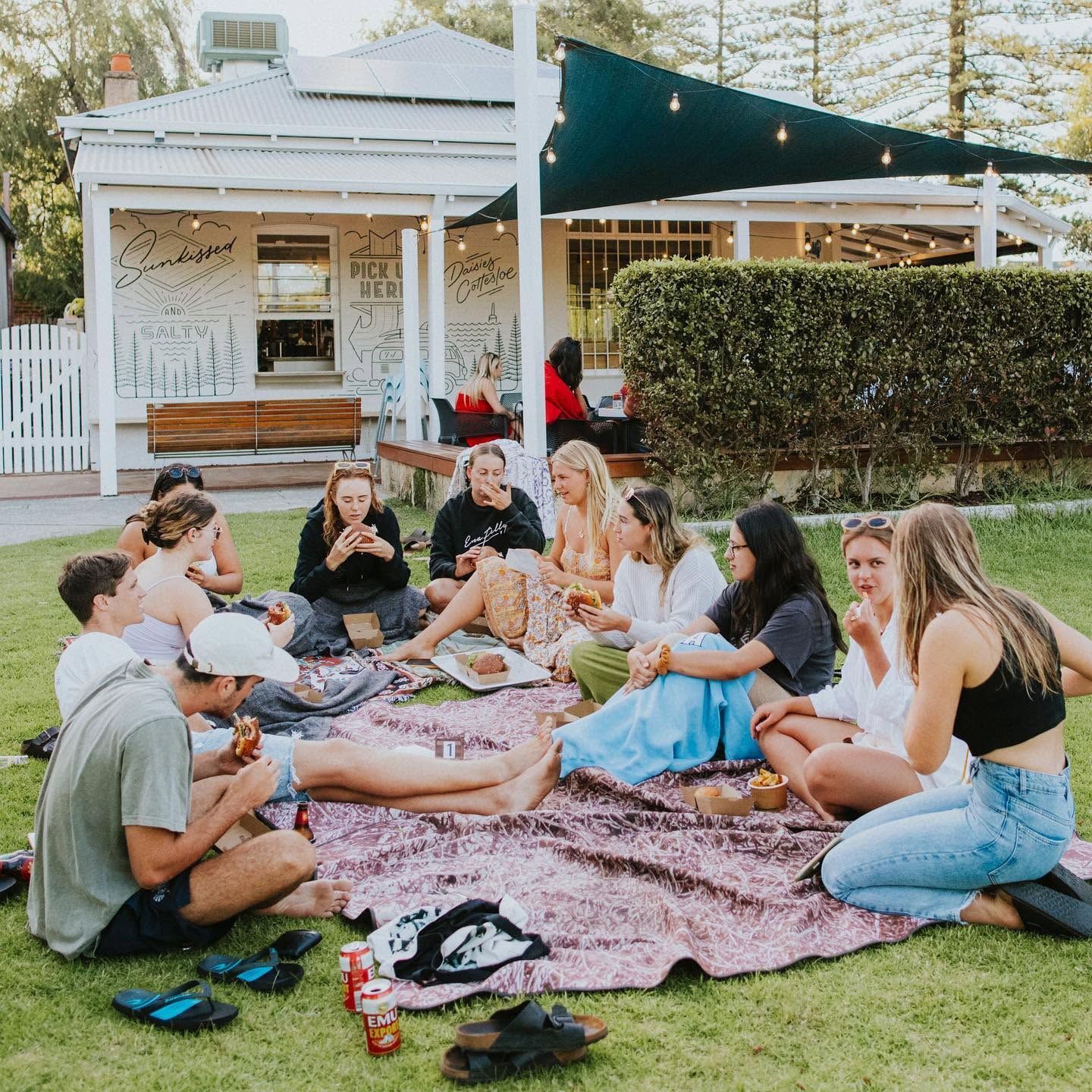
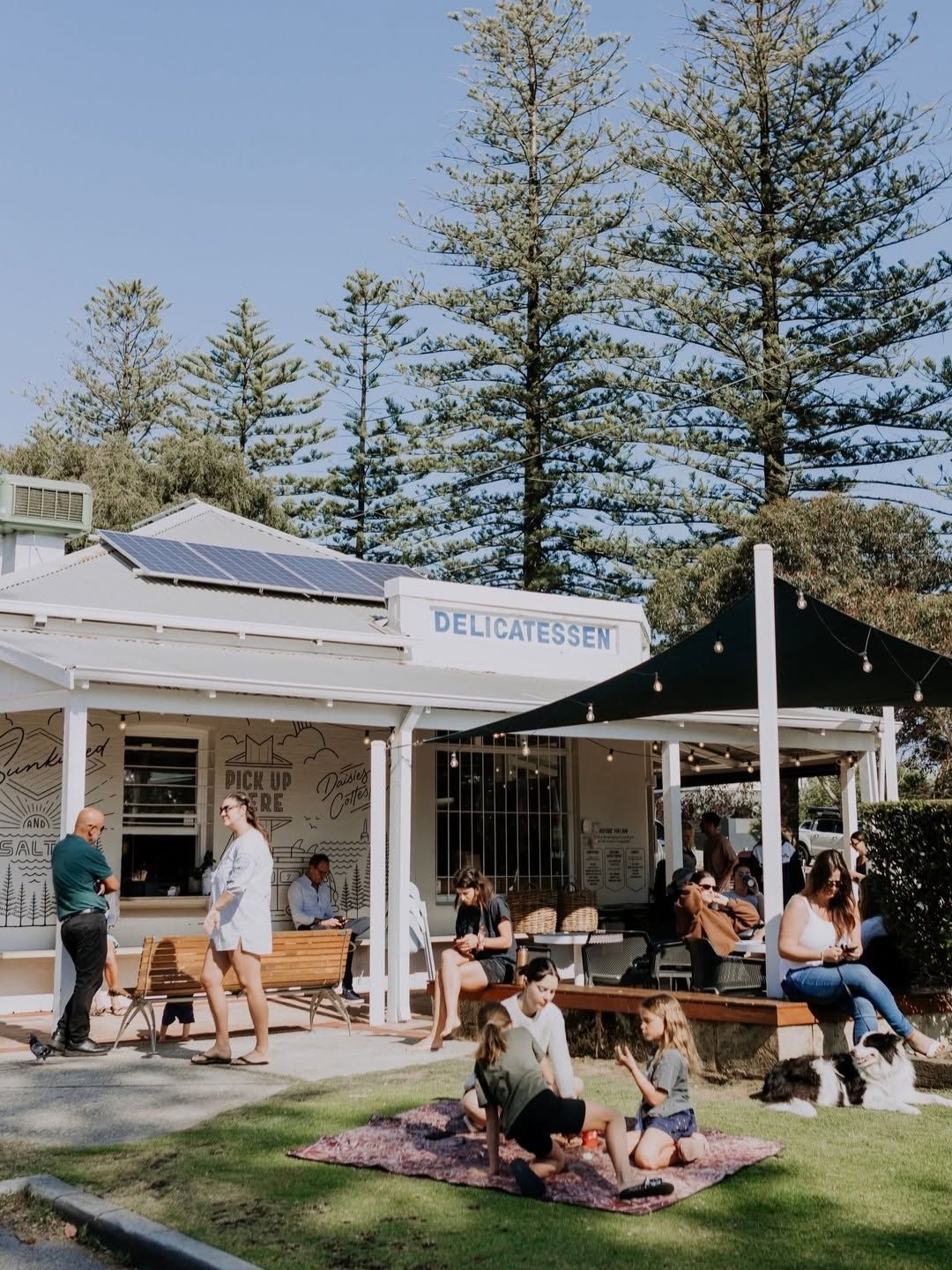
Nestled amongst Cottesloe’s iconic pine trees, Daisies has long been a place where Perth locals and tourists alike gather and make memories over delicious sausage rolls, sandwiches and hot coffee.

But for Sam, Daisies has meant so much more.

At just 10 years old, he landed his first job stocking fridges at Daisies.

Little did he know that years later, he would become co-owner.

From stocking fridges to becoming the co-owner of Daisies Cottesloe, Sam’s career has come full-circle.

Although hospitality was always the dream growing up, the start of Sam’s career took a different turn.

“I always knew that I would somehow end up in hospitality, but like many young kids, I didn’t really know what I was doing,” he said.

“I’ve always been a people person, so I decided to study human resources at Curtin, which I really enjoyed.”

Graduating with a Bachelor of Commerce in Human Resource Management and Management (2009), Sam started his professional career in recruitment at a mining company.

Sam said that while he was hitting career milestones with a top-tier salary, the reality of FIFO life quickly took its toll.

During a time when the industry was buckling under greater uncertainty, Sam found himself entrusted with greater responsibilities.

“My boss was laid off, so I became responsible for making redundancies,” he said.

“You could sense the environment was changing.”

Then, one night, during dinner in the dining hall, everything changed.

Sam had a massive panic attack.

“At the time, I didn’t know what it was, and I convinced myself that I was having a heart attack,” he said.

“That was the eye-opener, and it made me really start to question whether I wanted to be doing this long-term.”

Despite the uncertainty of what he’d do next, Sam decided to hang up his boots.

“I made the decision to get out. I had no plan of what to do afterwards; I just quit and booked a holiday to Bali for a month,’’ he said.

Returning home from Bali, Sam found the clarity to pursue a lifelong dream – and he took the leap into hospitality.

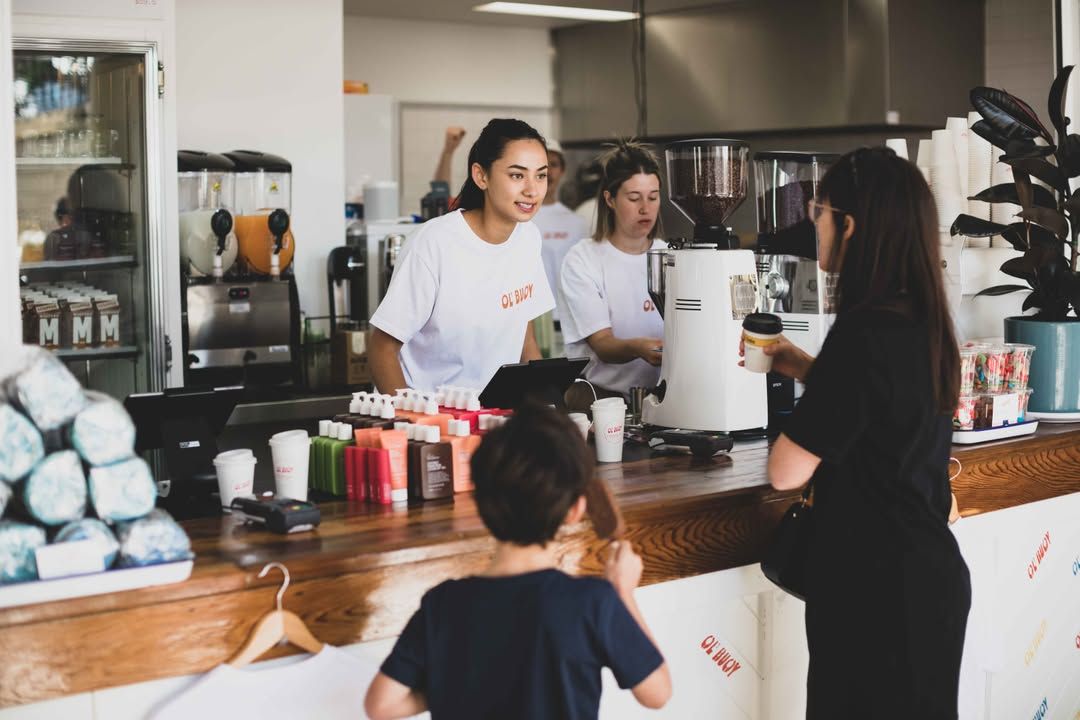
For Sam, creating a welcoming space in the community has been the most rewarding aspect of running a cafe.

He started a casual job in hospitality, and when the opportunity came up to invest in his beloved childhood café he took the plunge.

“I could’ve gone back to working in the city, but when we found Daisies for sale, that was the push to get into business,’’ he said.

Now operating for more than a decade, Sam and co-owner Pia Prior have hustled to elevate Daisies into so much more than a café – it’s now an Australian experience, complete with merchandise, coffee on wheels and catering services.

Sam decided to take a leap of faith and invest in his beloved childhood cafe.

But this success hasn’t come without sleepless nights.

“Comparing Daisies in 2015 to where we are now – it’s very different,” he said.

“Initially, we were working 70-hour weeks and doing everything possible to stay afloat.

“It’s only now that we have been able to hire more people.”

Now, the renowned restaurateurs are the owners of The Pantry Group, which consists of seasonal beachside kiosk , , and, of course, .

For Sam, succeeding in an industry where most businesses fail isn’t something you can learn in the classroom.

“I’ve always been a hustler, and it’s not a skill you can teach,” she said.

“You must be willing to get your hands dirty, because if you don’t, then how do you expect your staff to do the same?”

For Sam, receiving Western Australia’s this year was more than just recognition but a testament to his dedicated team who work tirelessly to keep the venues operating for the wider community.

Daisies Cottesloe is more than a cafe; it has become a part of the Australian experience.

Amongst the craziness of running four cafes, having a life outside of work is something Sam takes very seriously.

“Having a life outside of the business has been so important in its success,” Sam said.

“When I go on break, I always come back with a clearer mind and more motivated.”

Beyond coffee and delicious food, it’s the lasting impression these spaces have on people and the community that keeps Sam moving forward when times get tough.

Sam is the co-owner of The Pantry Group, which consists of a variety of Perth beachside cafes.

Providing a welcoming space for the community while helping young people take the first strides in their careers has been one of the most rewarding aspects of running a café.

“When I finished my degree, I envisioned a career in the corporate world, but I’m glad my path took a different direction,” he said.

“Throughout my life, I’ve always been adaptable – I’ve learnt that if it doesn’t work out, change it, and if you don’t like it, get out, because life is too short.”

, Managing Director and Co-Owner at The Pantry Group Ltd (Daisies Cottesloe, The Other Side, Side Piece Deli & The Ol’ Buoy)

Graduating from Curtin with a Bachelor of Commerce in Human Resource Management and Management (2009), Sam started his hospitality career working at Daisies Cottesloe before later becoming the owner of the very store that helped kick-start his professional career. Following a successful stint working in human resources and recruitment for various WA mining companies, Sam decided to take the plunge into hospitality. Now, he is the Co-owner & Managing Director at The Pantry Group Ltd and a recipient of the 2026 WA Business News 40Under40 People’s Choice Award.

]]>
0
Caitlin Reynolds <![CDATA[From shy student to WA’s most listened-to radio host]]> /friends/?p=30440 2026-10-29T06:40:09Z 2026-07-30T02:07:44Z Every morning, more than 500,000 West Australians wake up to the voice of Curtin Marketing and Advertising graduate Pete Curulli.

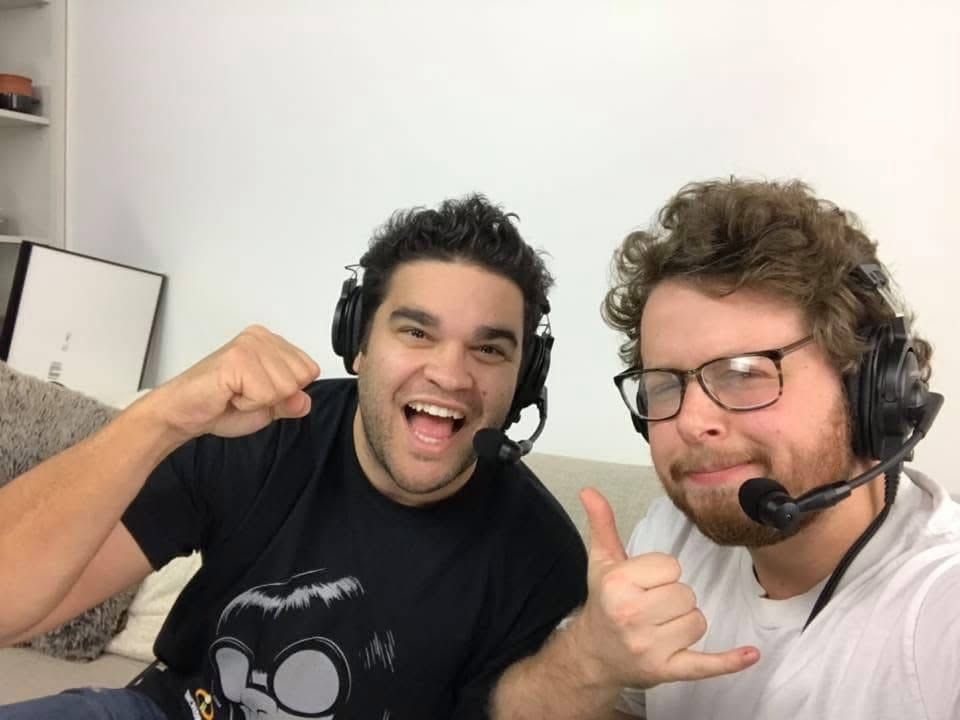
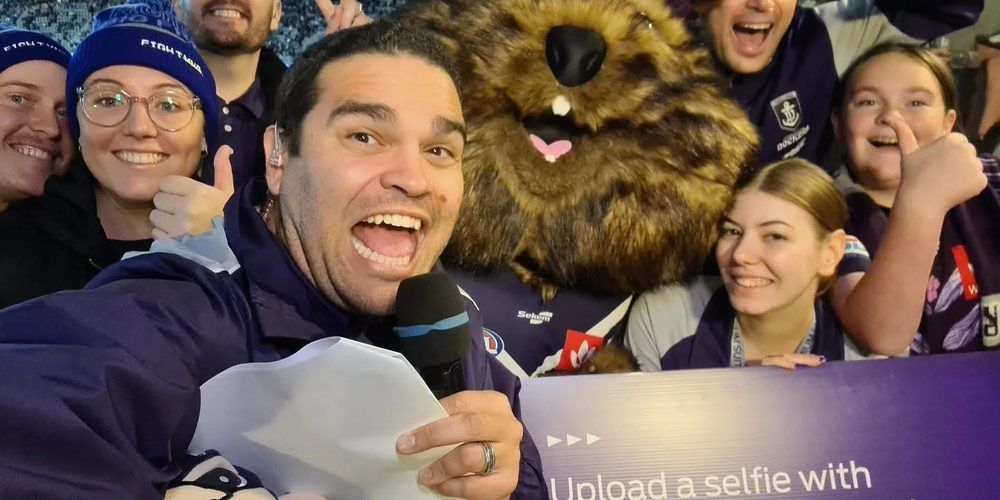
Spending 20 years building a career behind the microphone, Pete has become one of WA’s most-listened-to radio hosts as co-host of .

But the confident radio host behind the microphone wasn’t always the outgoing personality listeners know today.

Growing up, Pete described himself as a shy kid.

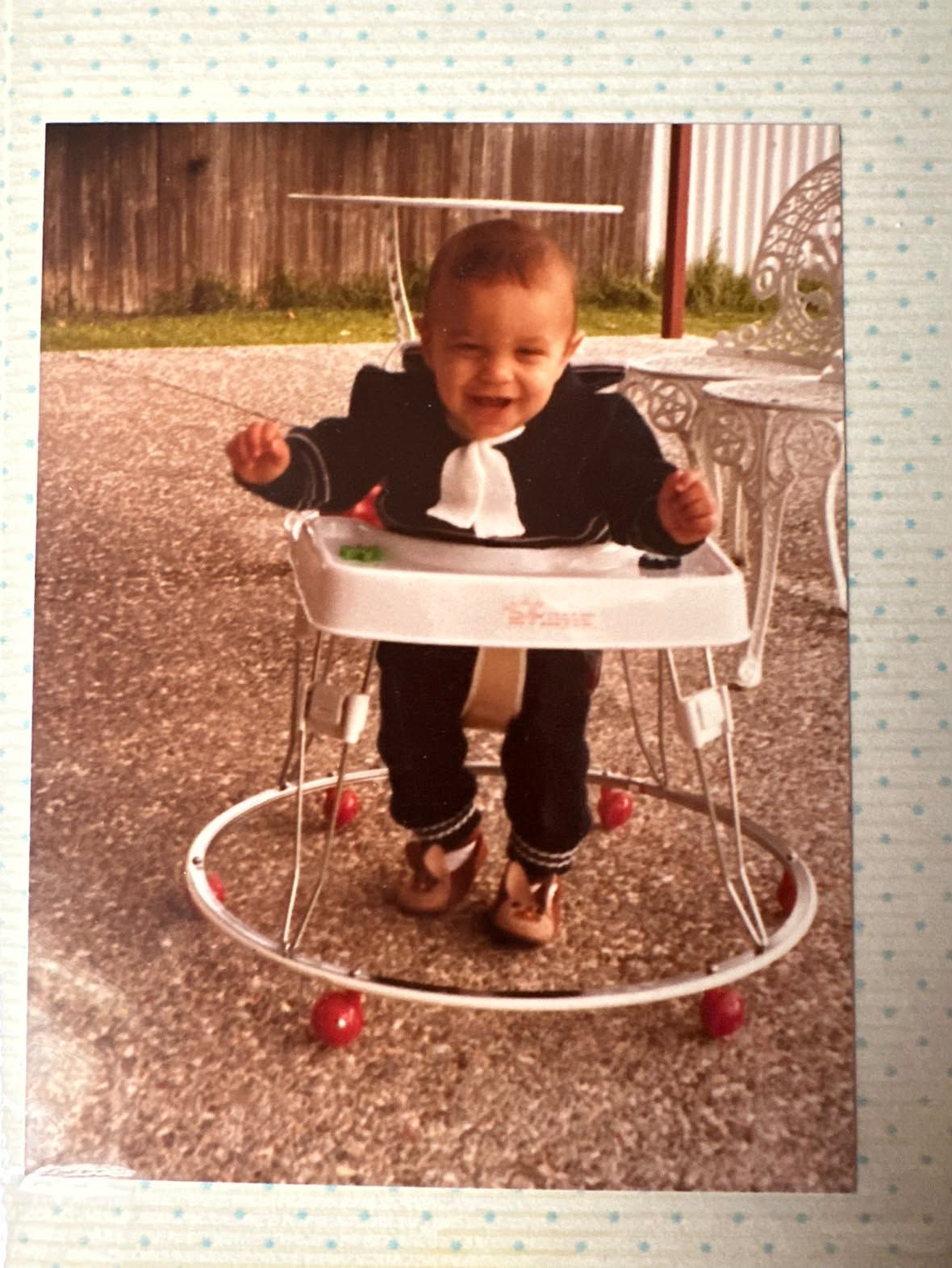
A young Pete Curulli.

It wasn’t until a drama class in high school that he discovered his passion for performing.

“I credit my Year 10 drama class for building the foundation of my career,” he said.

“It gave me an understanding that there was a place for me and gave me the confidence to perform.”

Years later, this passion evolved into a successful radio career – proving that no dream is ever too big!

How did you get your foot in the door in Australia’s highly competitive media industry?

Growing up, I would spend every weekend helping at our family fish business at the Midland Military Markets.

Sadly, the markets burned down in 2007.

On Sunday afternoons, we would cut prices on our fish toward the end of the shift, and I remember getting on a crate and yelling through the speakers that we were cutting the prices – I used to get creative (laughs).

Weeks later, I was listening to a local community radio station, Groove 101.7, and heard an announcement that they were looking for radio hosts.

After sending more than 30 emails without a single reply, I decided to visit the station.

Eventually, they gave me a chance and put me on the air.

With more than 20 years’ experience in radio, Pete credits much of his success to his early career in community radio.

They offered me a Sunday night slot for a relationship show, which wasn’t exactly prime time, but it became one of the station’s highest-rated shows.

It was crazy because I was only 17 years old, had never had a girlfriend and knew nothing about relationships, but just enjoyed creating entertaining content and connecting with the audience.

What were the biggest challenges you faced in your early career?

When I was 24 years old, I moved to Canberra to be the music director on a radio drive slot.

I was living alone and poured my heart and soul into this job, but I didn’t want to be on a music shift for the rest of my life.

Eventually, I scored a role on the breakfast show – but failed horribly.

I was young and didn’t know how to tell stories, so naturally the station’s ratings immediately dissipated.

I remember waking up in the morning with dread in the pit of my stomach, thinking about how I was going to survive the next few hours and show up for my team that believed in me.

So, I pulled out and landed a role for a major metro radio station in Brisbane.

For two years, Pete worked at a major metro radio station in Brisbane, Hit Network B105 Brisbane.

I did this for two years, and it allowed me to rebuild my confidence, which eventually led me to kick-start my radio career in Perth.

After nearly a decade in radio, I only feel like my career is taking off!

What’s one of the best parts about being a Radio Show Host for Mix 94.5?

Bringing my life and vulnerability to the role!

As someone who’s been in this game for 23 years, I’ve done many breakfast shows where you feel like you’re just yelling into the void. Right now, we genuinely feel that when we say something, we know someone’s listening, so that’s very special.

Alongside radio, Pete is also a passionate MC for the Fremantle Dockers home games at Optus Stadium.

Also, putting in the hard work and seeing our numbers climb has been so rewarding.

On a personal note, I also love it when my Mum tells me that she listens to the show!

Based on your experience, what makes a good piece of content?

Today, the number one rule of a good piece of content is authenticity. If you can be your authentic self, you will find your audience.

It might take some time to find your voice, but you’ve got to be consistent and work at it for a long time.

Burnout is also a real thing, so you need to have a balanced approach.

Finally, what advice do you have for those aspiring to break into Australia’s media industry?

Don’t wait for the opportunity to present itself – go out and find it!

We have so much technology available to us, so you don’t have to wait to get your foot in the door of the radio station to start growing an audience.

Look after yourself too, because if your entire identity is your job and it disappears, then what is your identity?

At the end of the day, focus on living a fulfilling life and leaving a good mark on this world, and that will get you far!

, Radio Show Host for Mix 94.5 Pete & Kymba Breakfast Radio Show, Chief Content Officer for and .

Graduating from Curtin with a Bachelor of Commerce, Marketing & Advertising (2010), Pete has spent more than 20 years building his career in broadcasting and presenting and is now one of WA’s most recognisable radio voices as co-host of Perth’s Mix 94.5 Breakfast show. Beyond breakfast radio, he is also a match day MC for the Fremantle Dockers at Optus Stadium and is a Chief Content Officer for Podwave Studios and DineCASTER.

]]>
0
Caitlin Reynolds <![CDATA[Curtin graduate tackling the silent crisis facing many young Australians]]> /friends/?p=30299 2026-10-29T06:44:54Z 2026-07-20T03:25:35Z Despite living in a world of endless notifications and instant messaging, many young people are feeling more alone than ever.

Curtin Commerce graduate Leighton Bradfield knows this feeling all too well.

During his first year of university, he was confronted with a tragedy that no human should ever have to encounter in their lifetime.

Leighton and his close friend, Lockie O’Donoghue faced the devastating loss of two close friends to suicide within just two months.

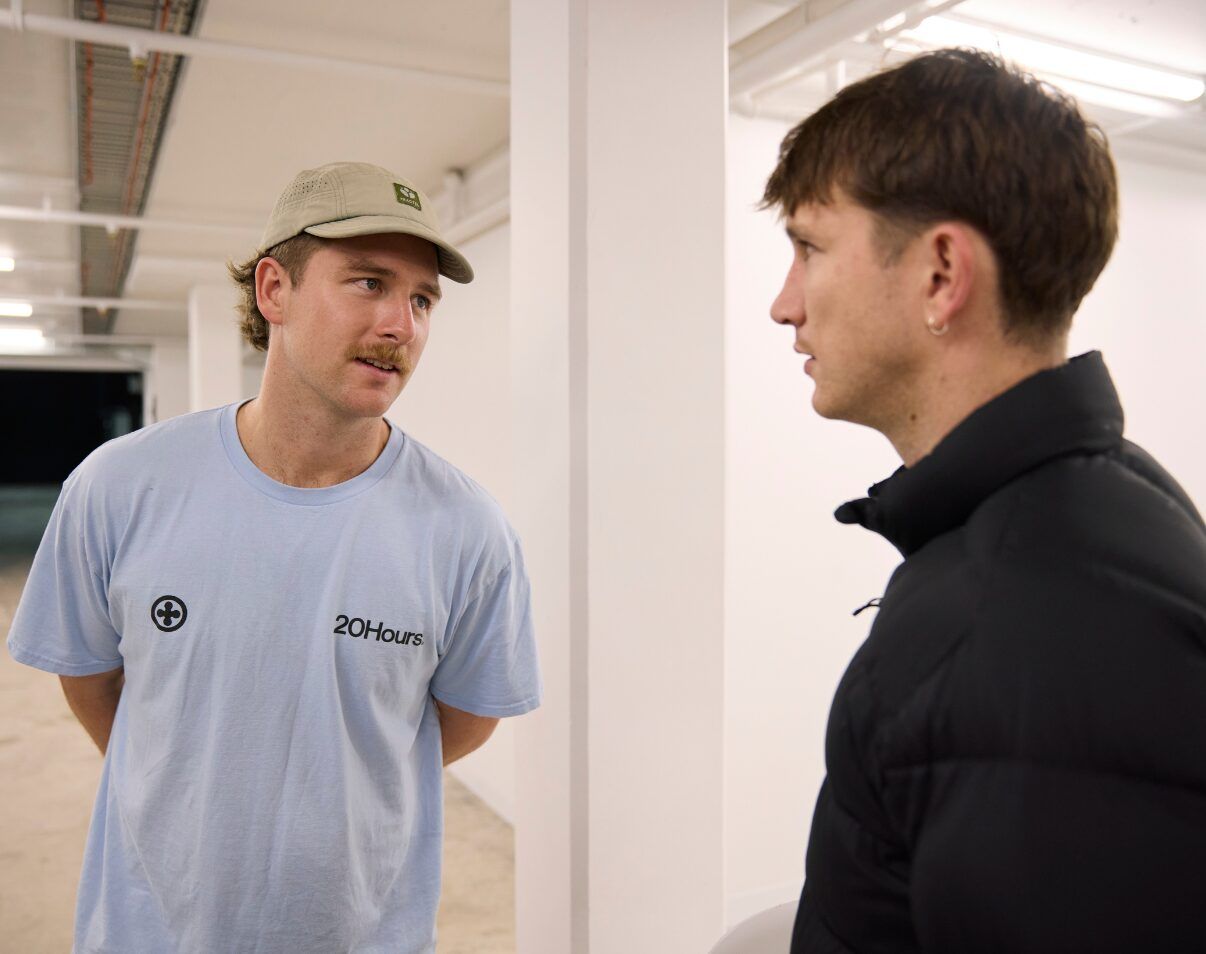
Struggling with their own mental health battles, Leighton and Lockie decided to channel their grief, experiences and shared commitment into a transformative mission, founding .

20Talk is an evidence-based charity that gives young adults the tools to tackle life’s challenges and a safe space to find true connection through the power of real, honest conversation.

Today, we live in a world where our phones have often become an easy escape from the realities and conversations we often need to confront.

Launching in 2024, is a mental health challenge that seeks to change this.

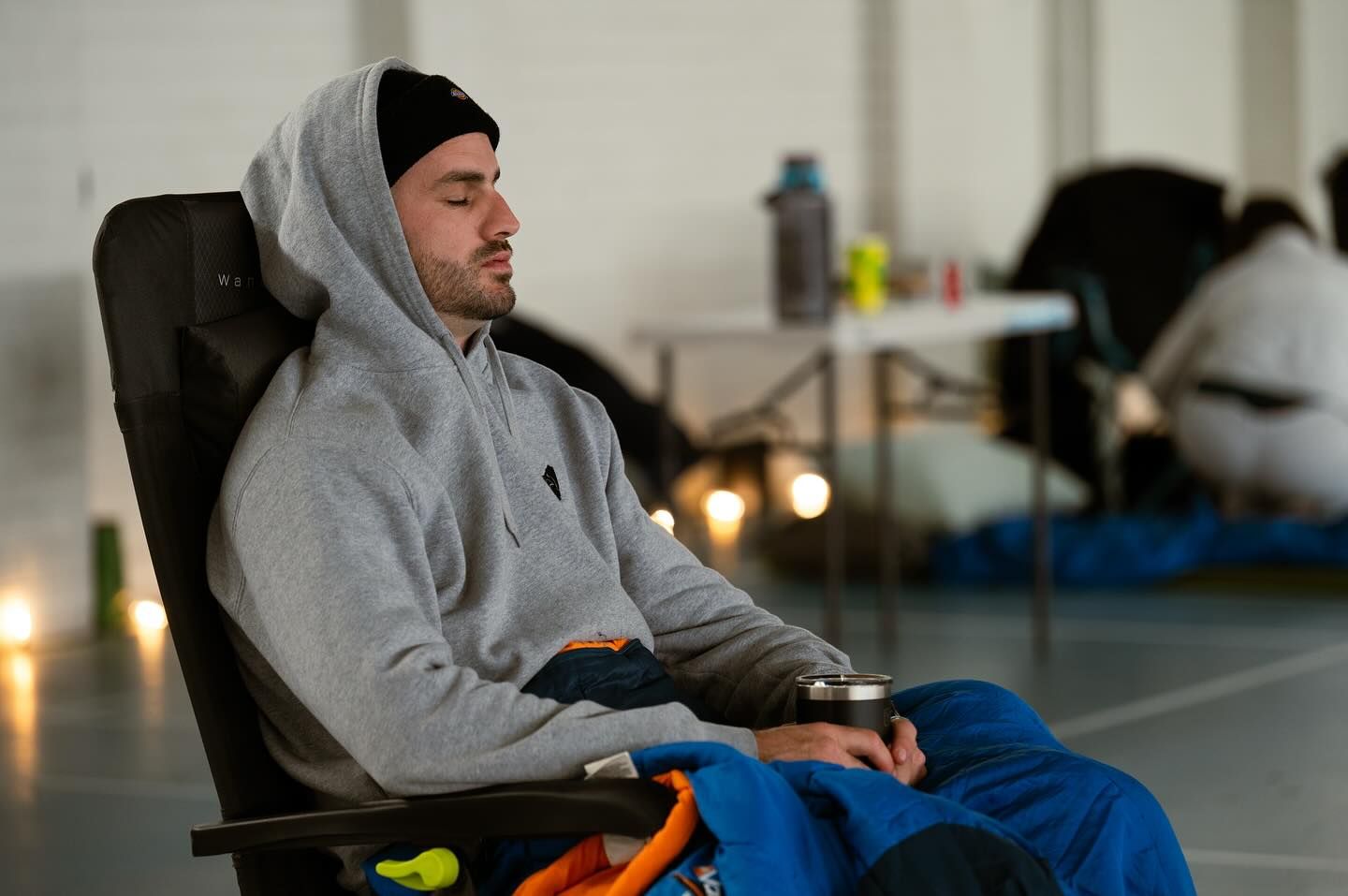
For 20 hours, participants sit silently with what many of us spend our lifetimes avoiding: ourselves.

The 20 Hours for 20Talk mental health challenge aims to encourage people to look inward.

“The purpose of this event is to help people self-reflect, we are often so distracted by technology that we don’t really look inwards anymore,” Leighton said.

Leighton said deciding to tackle such a big and important issue in society wasn’t just an idea – it was necessary.

“We noticed what was currently out there wasn’t working and didn’t connect to young people – so, we needed to innovate,’’ he said.

Today, Australians are more likely to die by suicide than from skin cancer.

With suicide being the leading cause of death among Australians aged 25-44 ().

Disturbingly, only two per cent of mental health funding is directed towards prevention charities, while 98 per cent is allocated toward interventions and crisis management.

Drawing from their own experiences navigating the challenges of early adulthood, 20Talk arose out of recognition that the current mental health system is clunky, unrelatable and overly abundant.

Consequently, leaving many young people unsure of who to trust.

“There are a lot of great clinical services out there that serve a very strong purpose, but sometimes their ability to engage with young people and how they educate them online is often really poor,” Leighton said.

“As a result, you’ve got many young people and those on the fringes of society who don’t want to engage with a clinical service.”

Going beyond conventional mental health support, 20Talk strives to empower young adults to take charge of their mental health journey.

20Talk aims to go beyond conventional mental health support.

Through their evidence-based programs, they foster a culture of personal and community wellbeing, creating a supportive and understanding environment where every conversation matters.

“We want to create spaces where people are not afraid to talk about really tough things, open up and be real,” Leighton said.

“If we don’t have these honest conversations, then people feel more isolated.”

Since its beginning, 20Talk has raised more than $3 million for youth mental health.

Serving as a powerful reminder to young Australians that taking your mental health seriously doesn’t mean doing it alone.

“We all desire and need connection,” Leighton said.

“It’s important to remember that everyone experiences mental health struggles in their own way, there’s no such thing as worse or better.

“We all go through tough times, and once you understand that you can really speak to anyone and connect in some way.”

If you see a friend going through a tough time, Leighton said don’t be afraid to start a conversation.

“If anything, sit with them in the darkness, ask them how they are going, and just be there,” he said.

“Finally, listen to them and encourage them to seek professional help.”

20Talk Founders Leighton and Lockie are passionate about creating spaces where every conversation matters.

In the future, Leighton and Lockie are looking to expand 20Talk over east.

“At the moment, our goal is to have all our mental health maintenance training free in all universities across Australia.

“We will also be setting up our Sydney office next year as we are looking to expand our 20Hours program to more than 20,000 people per year.”

Learn more about 20Talk’s programs .

We understand some readers may find this content distressing. Support is available through Lifeline (13 11 14) or the Suicide Call Back Service (1300 659 467).

]]>
0
Caitlin Reynolds <![CDATA[Saving those who save lives]]> /friends/?p=30296 2026-10-29T06:49:50Z 2026-07-20T03:14:47Z For Curtin paramedicine graduate Karen Hollings, becoming a paramedic wasn’t part of the plan. Neither was founding a charity that’s changing the lives of first responders.

Like many, Karen’s path to success wasn’t linear.

At just 29, she became a single mother following the breakdown of her marriage.

“I was on a single-parent pension, and I wasn’t happy in that space,” Karen said.

“I desperately wanted to give back to the community that was supporting me.”

While working at a party shop to make ends meet, Karen began studying to become a paramedic with St John WA.

“I remember studying while doing balloon orders. My notes were stuck all over the walls in the back of the shop,” she said.

Qualifying as a paramedic marked more than the beginning of a career it transformed her family’s future.

“The first thing I bought with my first pay cheque was private health insurance for my girls,” Karen said.

“Becoming a paramedic allowed me to give my daughters opportunities I never imagined possible as a single mum.”

“I wanted to show them that anything is possible.”

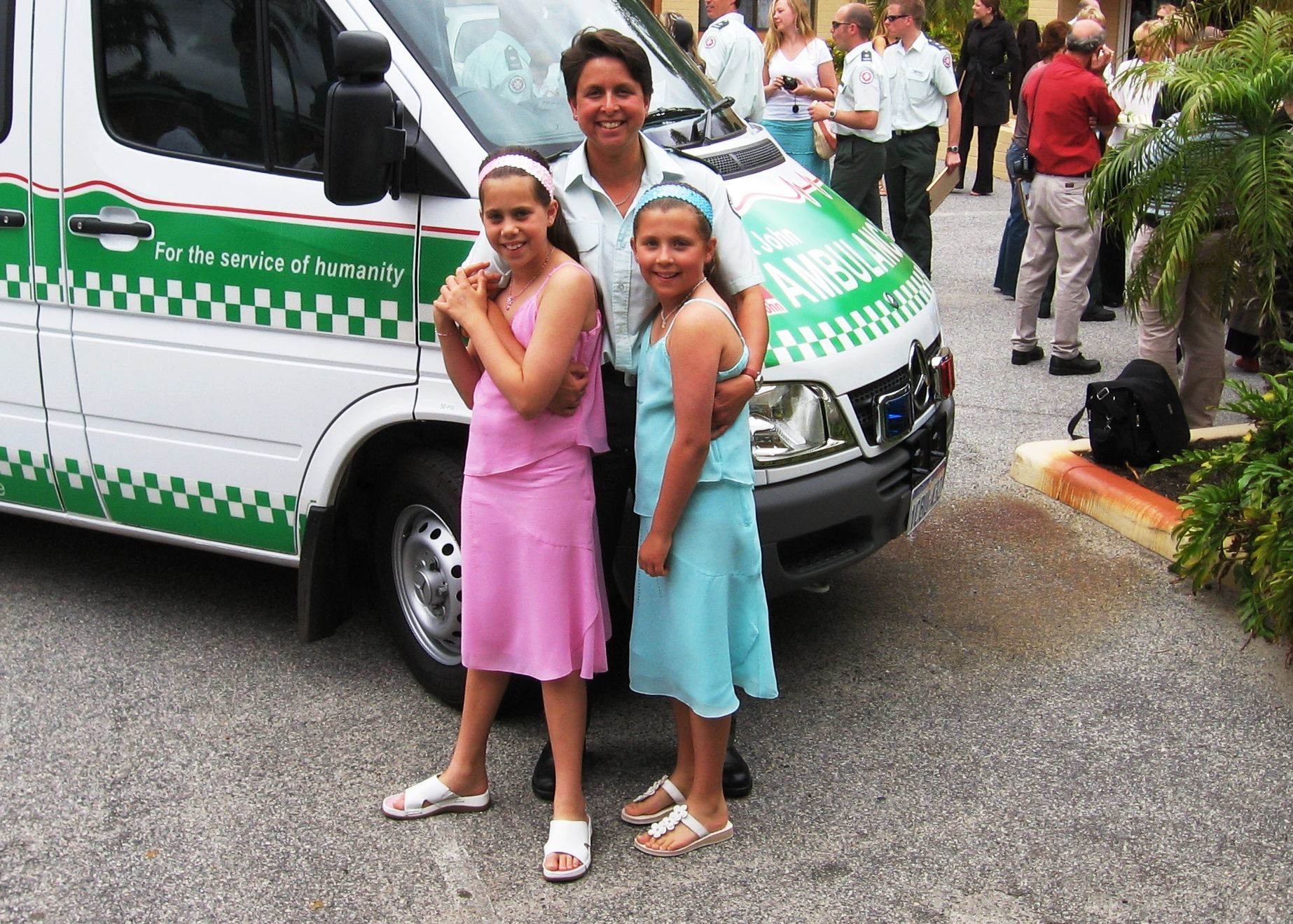
When Karen became a qualified paramedic, she was able to give her daughters opportunities she had never imagined possible.

For more than a decade, Karen witnessed both the best and worst of humanity on the front line.

Then, in 2014, her own life changed in an instant.

While on shift, she was violently assaulted in the back of an ambulance by a patient affected by drugs and alcohol.

“I remember my body slamming against the wall inside of the ambulance,” she said.

“He was sitting on me with his legs locked against the metal frame of the stretcher, and I could feel this intense pressure on the left side of my back.

“In that moment, I genuinely thought my ribs were going to break.”

Although Karen escaped the immediate danger, the impact of the assault remained long after the physical injuries healed.

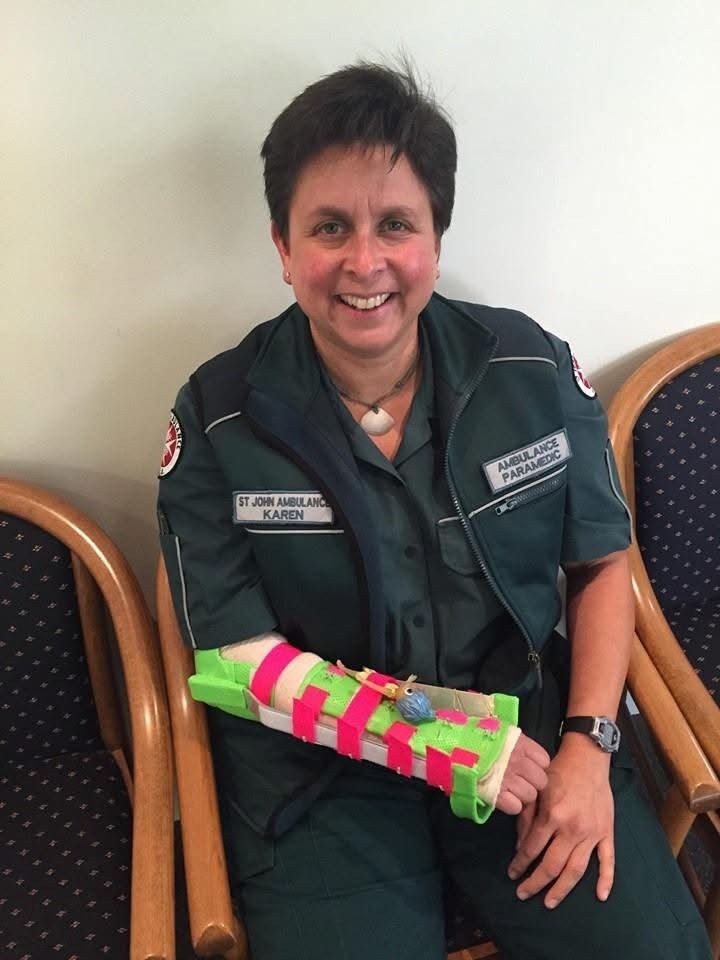
Karen’s recovery from the assault lasted long after her physical injuries had healed.

Her recovery spanned years and included three surgeries with extensive rehabilitation to her right wrist and, eventually, a diagnosis of post-traumatic stress disorder (PTSD).

“At the time, I just thought what I was experiencing was normal,” she said.

“But when I returned to work, some concerned colleagues noticed something had changed and I was guided to seek help.”

With support from her doctor and a life coach, Karen began to heal. It was during this time that she discovered the profound impact therapy dogs could have on mental health.

Karen’s recovery from the assault lasted long after her physical injuries had healed.

“When I was consumed by all these horrible thoughts, one of the few moments of happiness I felt was visiting my GP clinic to spend time with Olav, the therapy dog,” she said.

“In those moments, I felt safe enough to accept what I was going through, talk about it and simply be.”

That simple but powerful observation inspired a much bigger idea.

Almost a decade after the assault, Karen founded , a charity providing frontline mental health support through trained therapy dogs and experienced first responders.

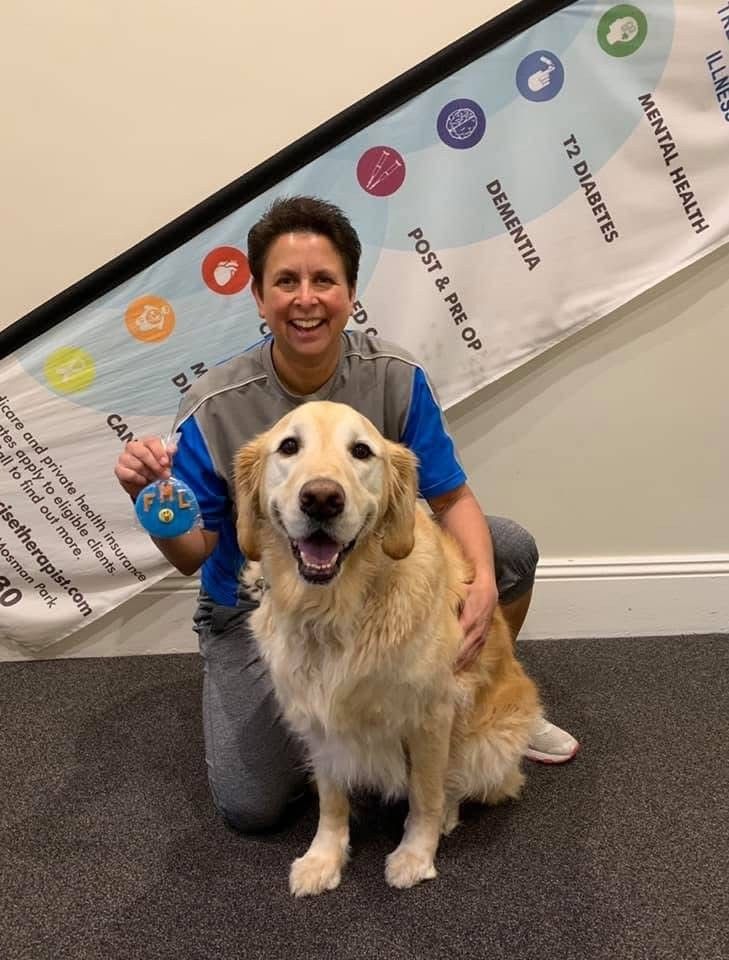
Six-year-old golden retriever Angus became the program’s first therapy dog.

Karen with a young Angus.

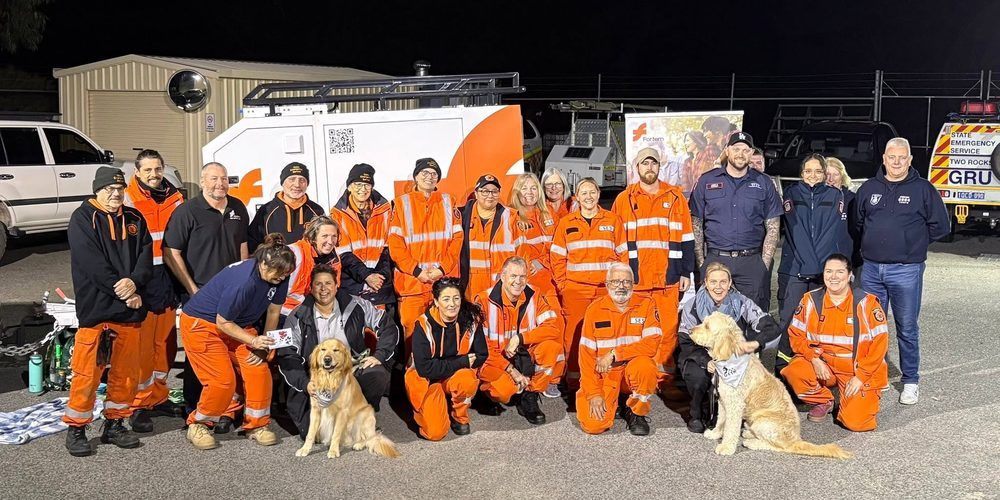
Since then, Karen has recruited four additional therapy dogs and their handlers, each with at least 15 years’ experience as a first responder.

“Because we’re mobile, we can meet first responders where they are, while they’re on shift, and assist in the prevention of mental health decline, compassion fatigue, burnout, self-harm, suicide and PTSD,” Karen said.

“Our goal is to bridge the gap between First Responders doing their job and seeking support.”

With rates of PTSD among emergency service workers continuing to rise, Karen believes peer-led support is more important than ever.

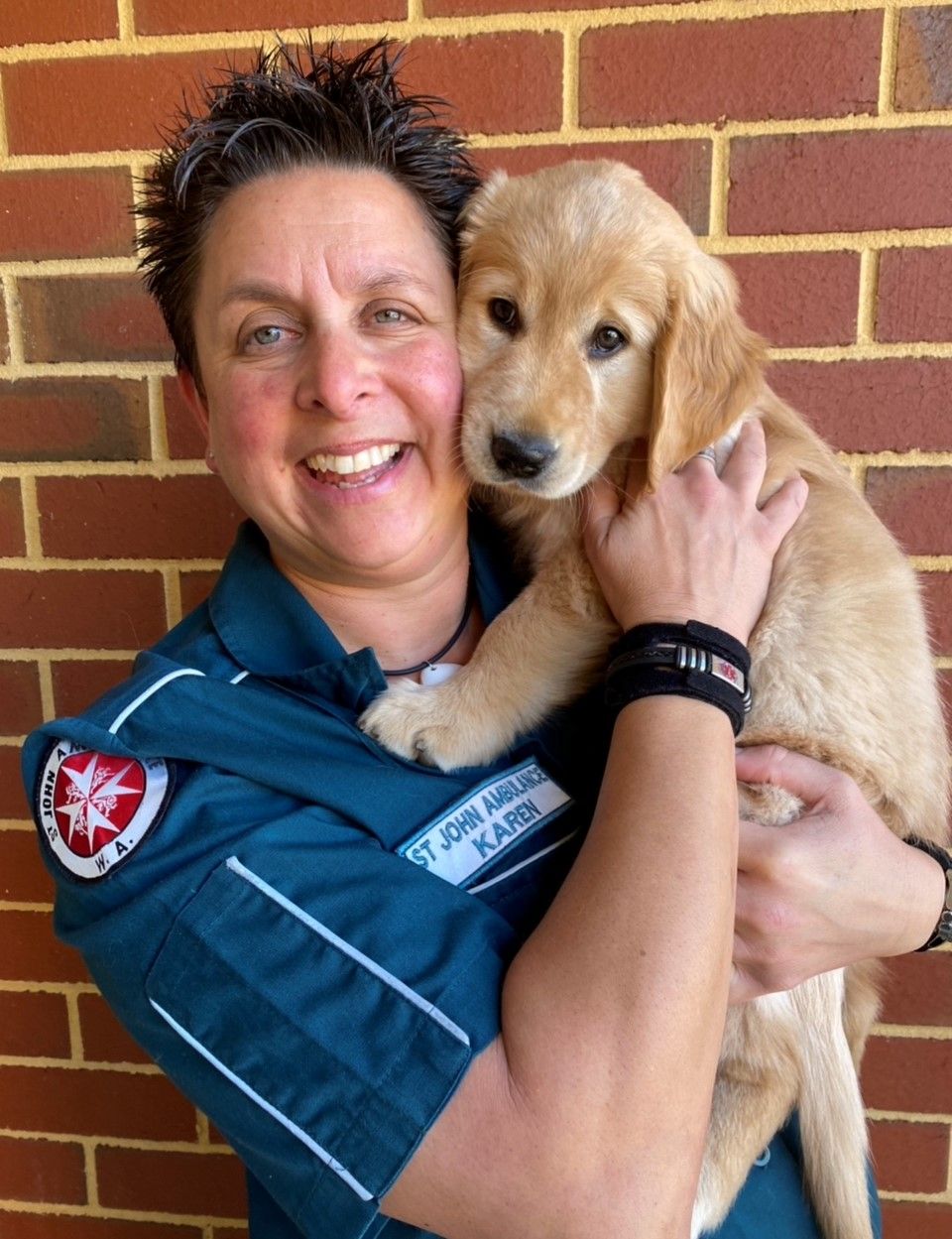
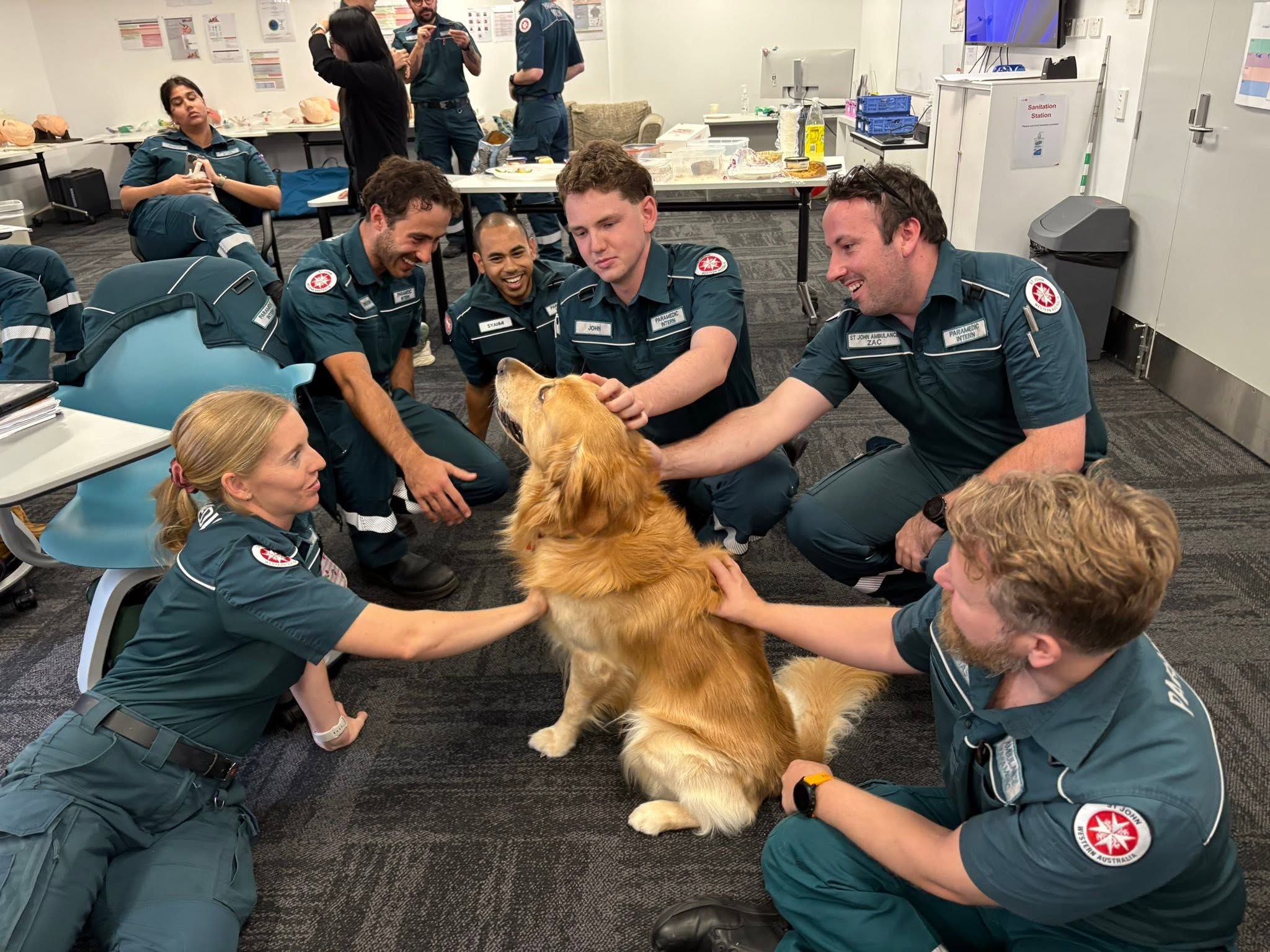
St John’s WA paramedics with a therapy dog.

“The first responder world is unique because we put enormous pressure on ourselves to be OK,” she said.

“Having lived that experience makes it easier to connect. They know I understand, often without many words being spoken.”

With rates of PTSD among emergency service workers continuing to rise, Karen believes peer-led support is necessary.

Throughout the challenges of raising two daughters while building a career, karate has become Karen’s constant.

Now a sensei, she credits the discipline with helping build the resilience that has carried her through life’s toughest moments.

“I truly believe my resilience as a paramedic is connected to my karate practice,” she said.

“My advice is to build a fulfilling life outside of work. If all your identity is tied to one thing and you lose it, you risk losing yourself too”.

“And above all, approach life with kindness. You can collect trophies, medals, accolades and titles but they should never define who you are.”

]]>
0
Caitlin Reynolds <![CDATA[From Perth to Hollywood: A Curtin marketing graduate’s Unscrippted journey]]> /friends/?p=29555 2026-10-29T07:00:02Z 2026-06-04T03:51:14Z Growing up between the leafy streets of Mosman Park and the sun-soaked suburbs of California, Jordana Ripp always felt pulled toward two worlds.

One was grounded and familiar; the other shimmered with possibility.

Long before stepping onto a Hollywood red carpet event or working behind the scenes at the Oscars, Curtin marketing graduate Jordana Ripp remembers discovering a love for movies.

Sitting cross-legged on the living room floor at the family’s California home, Jordana was blown away by a VHS copy of The Little Mermaid.

“We had just moved into our new house in California, and Dad brought home the tape, which had just come out, and I watched it so many times,” she said.

“I was completely enthralled by the film, and it opened up this whole new world of possibility for me.”

For many children, that kind of magic fades with age. But for Jordana, it stayed.

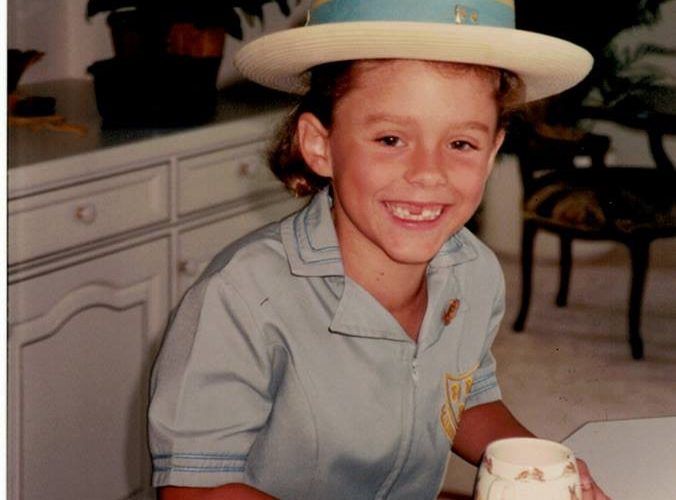
A young Jordana always had a fascination with film.

Back home in Perth – one of the world’s most isolated cities in the world – and a long way from Hollywood Boulevard, Jordana held onto the dream of one day working in the entertainment industry.

Determined to turn that dream into reality, Jordana enrolled at ºìÌÒÊÓƵ, where she studied communications and marketing, blending her love of storytelling with her fascination for film, fashion and pop culture.

But like many graduates, the path ahead wasn’t instantly clear.

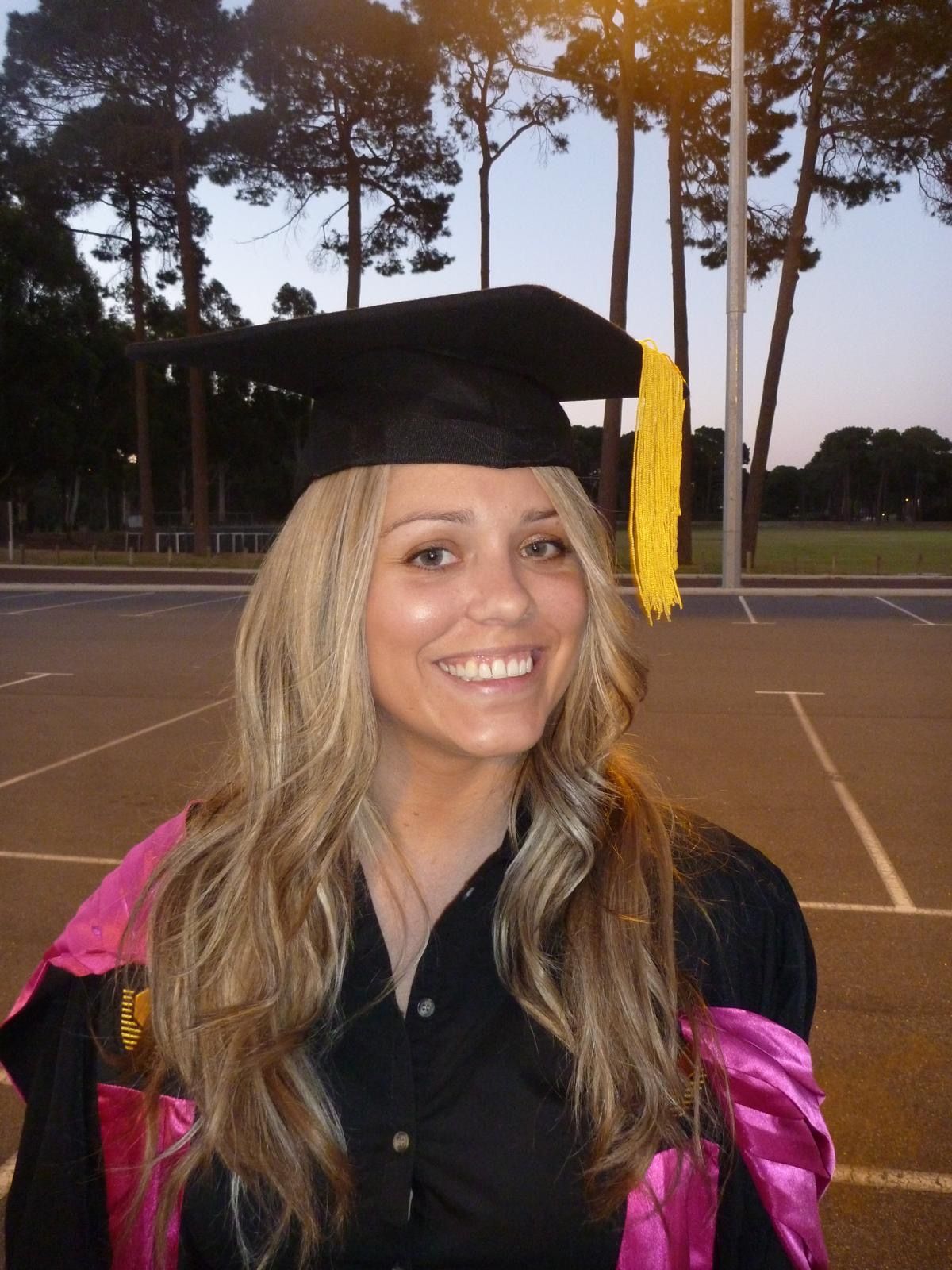
Jordana graduated from Curtin with a Master’s in Marketing.

Following graduation, she worked briefly at her father’s construction company.

“The building industry wasn’t on my vision board, but there wasn’t really any outlet for the opportunities I was interested in,” she said.

“As the saying goes, if opportunity doesn’t knock, build a door – so I built a door and started Perth Style.”

What started as a side hustle soon became one of Perth’s premier local fashion blogs, covering fashion in film, reviews and photoshoots.

Jordana would go on to cover Perth events, new store openings, and rub shoulders with up-and-coming designers in WA.

Before long, those small local assignments grew into opportunities to cover Australian Fashion Week, collaborate with global beauty brands and attend New York Fashion Week.

Fifteen years later, that once-humble side hustle evolved into -Jordana’s thriving digital marketing consultancy where she works with some of the world’s biggest entertainment brands.

Today, Jordanna has helped creators with a combined following of more than 26 million people and worked with powerhouse names including , , , and .

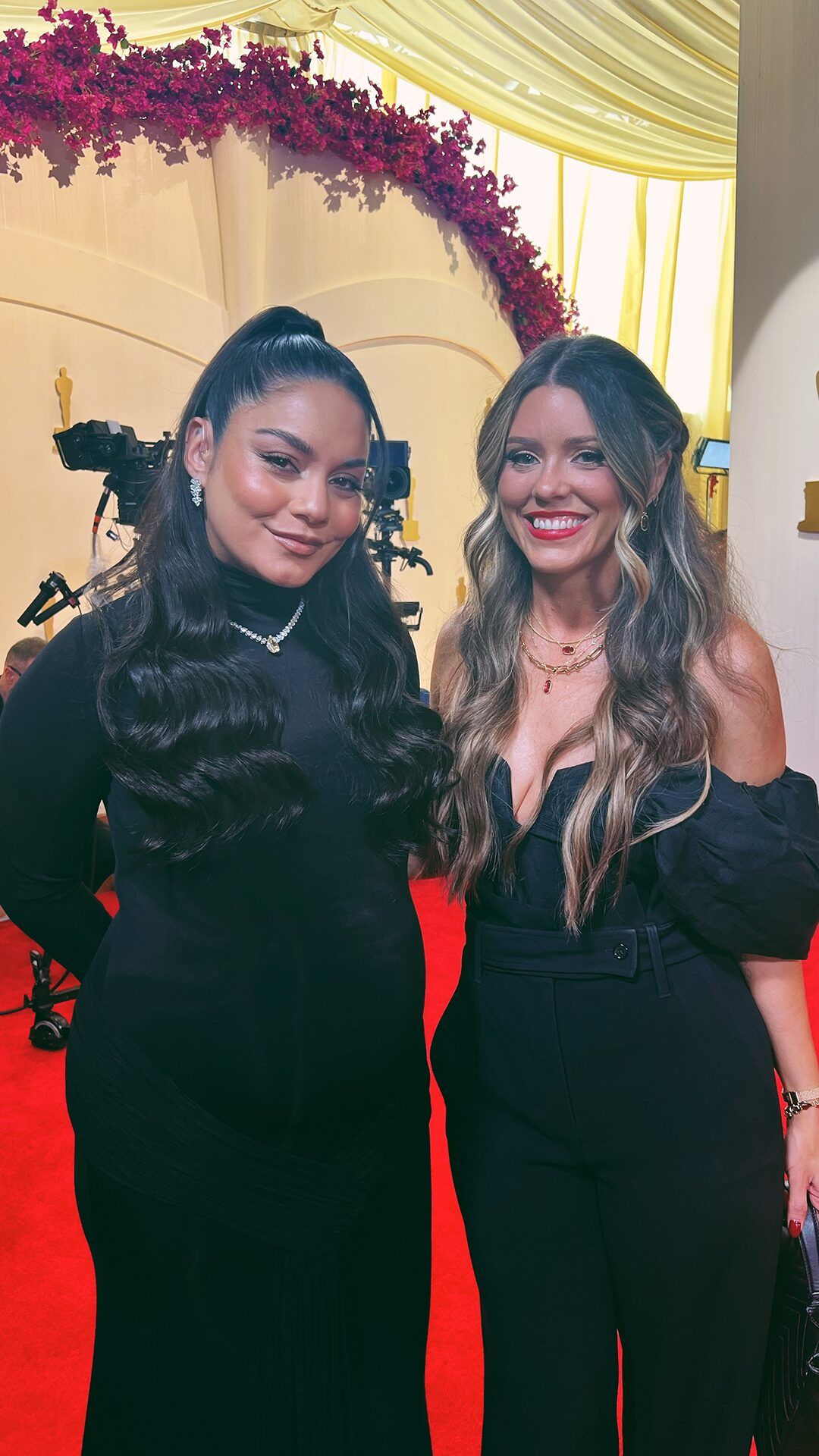
Jordana with Vanessa Hudgens at the 2024 Oscars.

But getting there required a leap of faith.

Leaving Perth to move to Los Angeles was both exciting and terrifying.

“I gave myself about six months to find a job,” she said.

Five months later, she landed a role at Sony Pictures.

For the girl who once dreamed of Hollywood from her living room in Perth, it felt surreal.

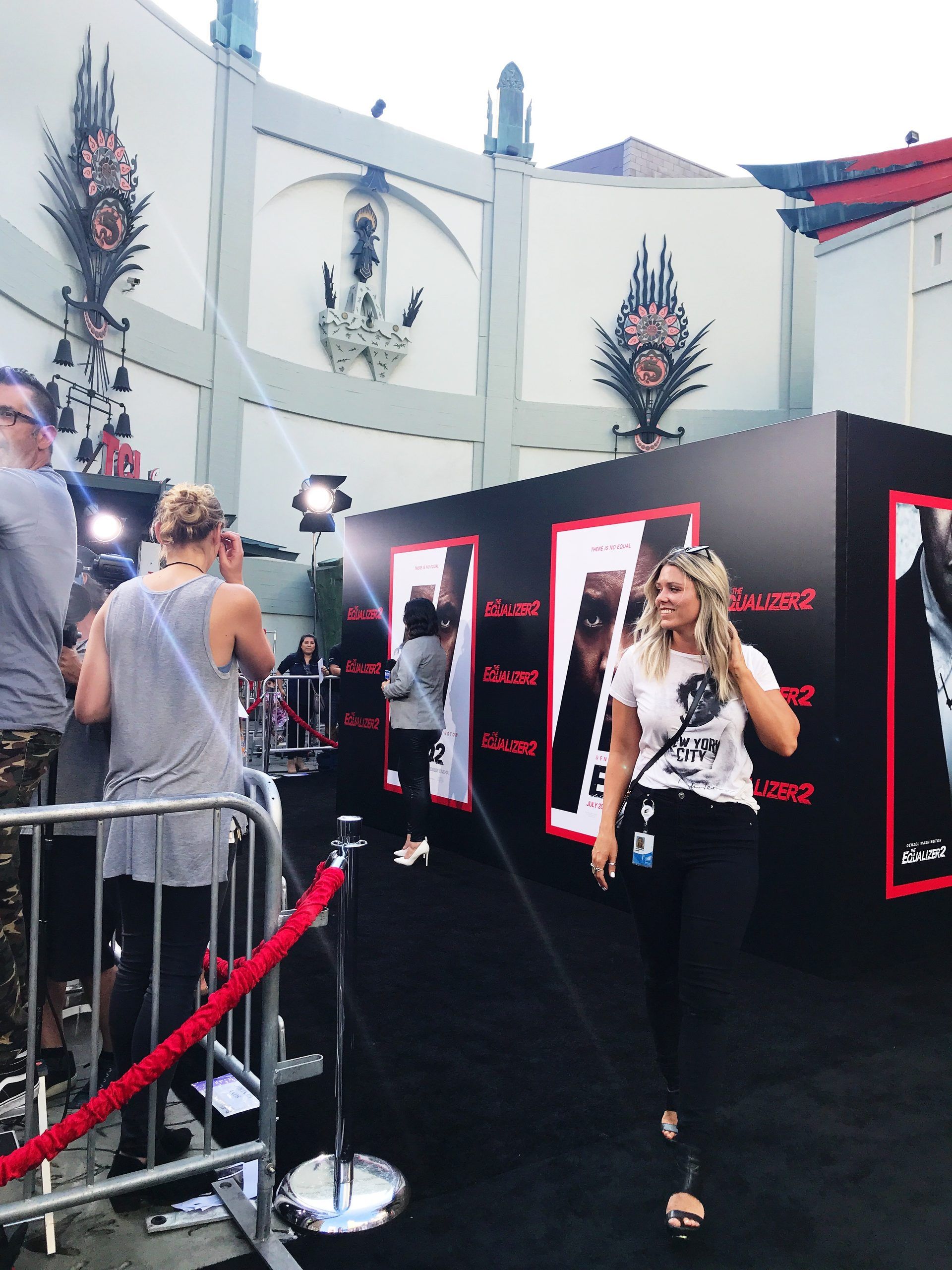
“My very first film premiere was The Equalizer with Denzel Washington,” she said.

“Standing on the red carpet on Hollywood Boulevard was such a dream come true.”

Over the next decade, Jordana built a career inside one of the world’s most competitive industries, working her way from Coordinator of People and Organisation to Digital Marketing Executive at Sony Pictures.

Jordana behind-the-scenes working her very first film premiere, The Equaliser with Denzel Washington.

But beyond the glamour, Hollywood taught her resilience.

“Working in marketing taught me not to take rejection personally,” she said.

“I just tried to push boundaries as much as I could.”

That persistence eventually led her to one of the biggest moments of her career -working on the 2024 Oscars.

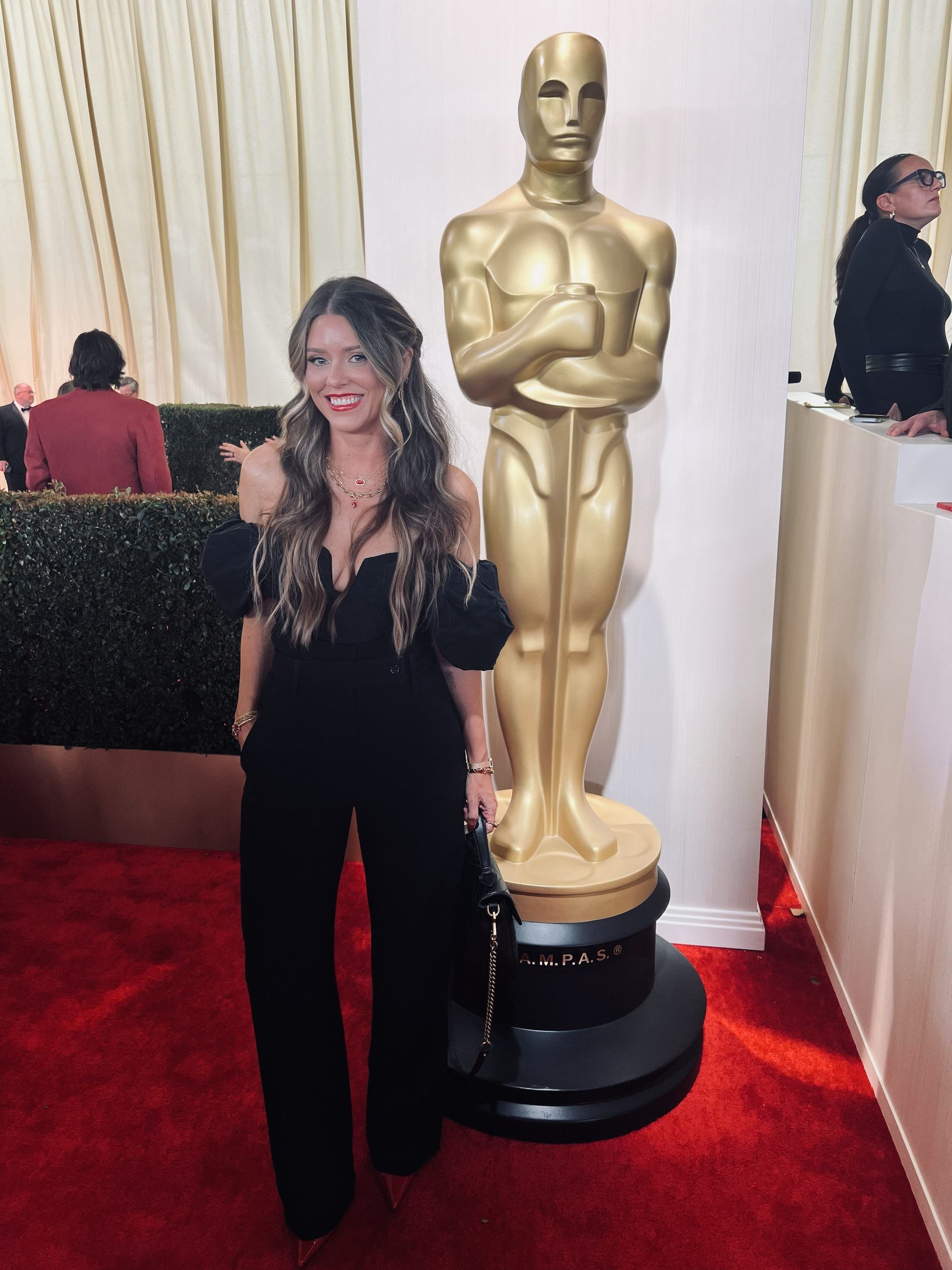
Making her dreams a reality, Jordana on the red carpet at the 2024 Oscars.

For someone who grew up watching award shows from the other side of the world, the experience was almost impossible to comprehend.

Yet behind the glitz, gowns and flashing cameras, Jordana discovered something surprisingly grounding.

“When you’re behind the scenes, you realise that the people running these events are just incredibly hard-working humans,” she said.

“It reminds you that even the biggest dreams are built by ordinary people who simply kept going.”

Despite everything she has achieved, Jordana says the most important lesson she has learned is not to fear failure.

“The biggest lesson I’ve learnt is to see failure as a necessary part of becoming successful,” she said.

“It’s not the end of the world if a door shuts. If you have the drive, you’ll always find another way through.”

, Head of Digital Marketing and Talent at

Graduating from Curtin with a master’s in marketing (2011), Jordana is a passionate digital marketing and entertainment professional with more than 13 years of experience. Growing up in Perth for most of her life, Jordana decided to take a leap of faith and move to LA to pursue a career in entertainment marketing. Since moving, she has managed to work with global brands including Sony Pictures Television, Netflix, NASA, the 2024 Oscars, L’Oreal and Universal Pictures, plus many more.

]]>
0
Caitlin Reynolds <![CDATA[A childhood dream leads to working with Attenborough]]> /friends/?p=29561 2026-10-29T07:11:32Z 2026-06-03T03:56:14Z There are few places on earth as powerful and endlessly captivating as the ocean, yet Curtin Marine Science (Honours) graduate and PhD candidate, Brodee Lowe believes much of it remains largely a mystery.

With close to a decade of experience in the industry, Brodee’s dedication to uncover the enigma of life below the waves led to an extraordinary opportunity.

World leading historian, Sir David Attenborough’s film crew reaching out to Brodee’s team, led by Grace Russell, to film his most recent documentary, .

Brodee’s specialised diving skills and wealth of experience working with blue whales led to her becoming a safety diver for part of the film.

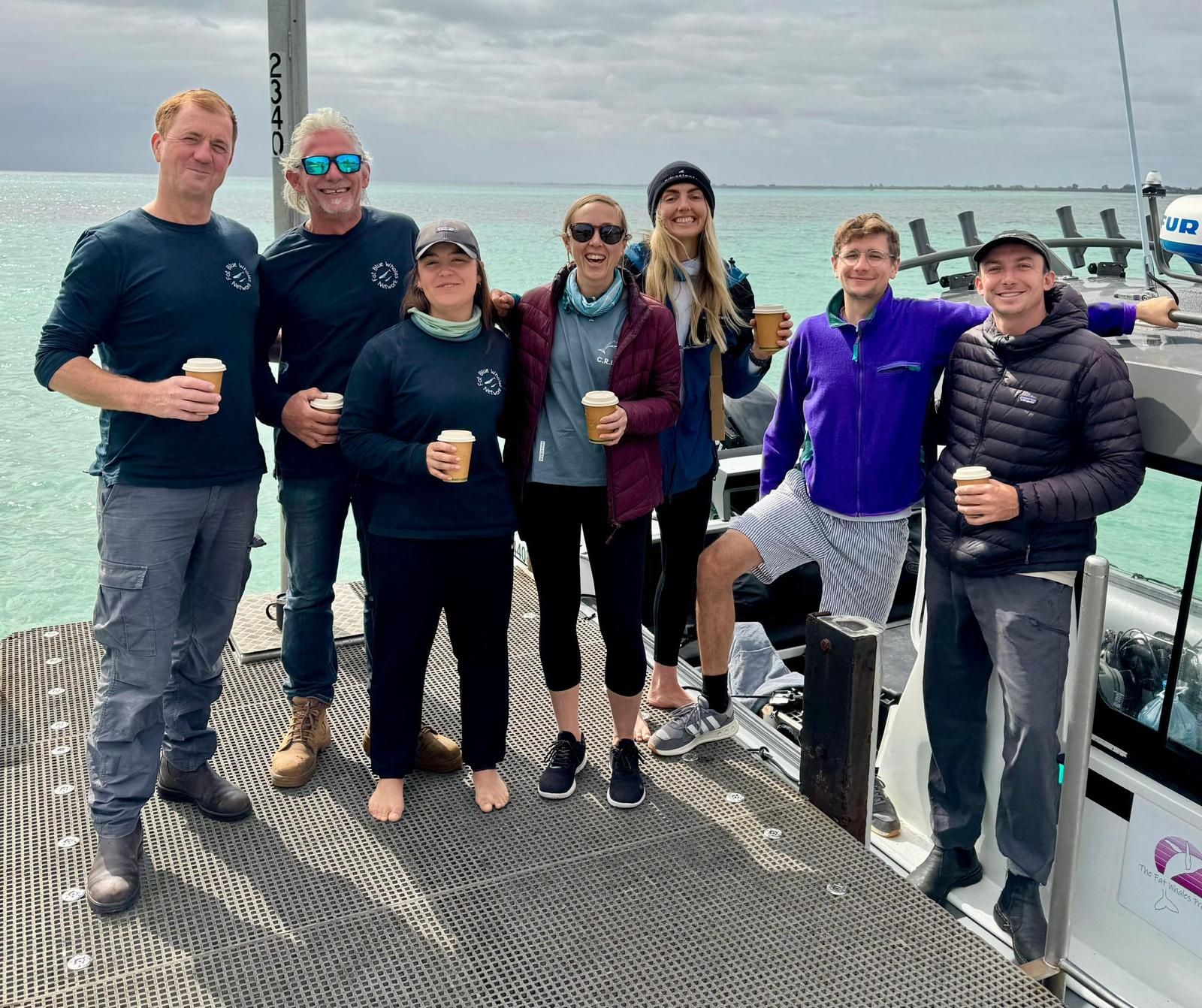
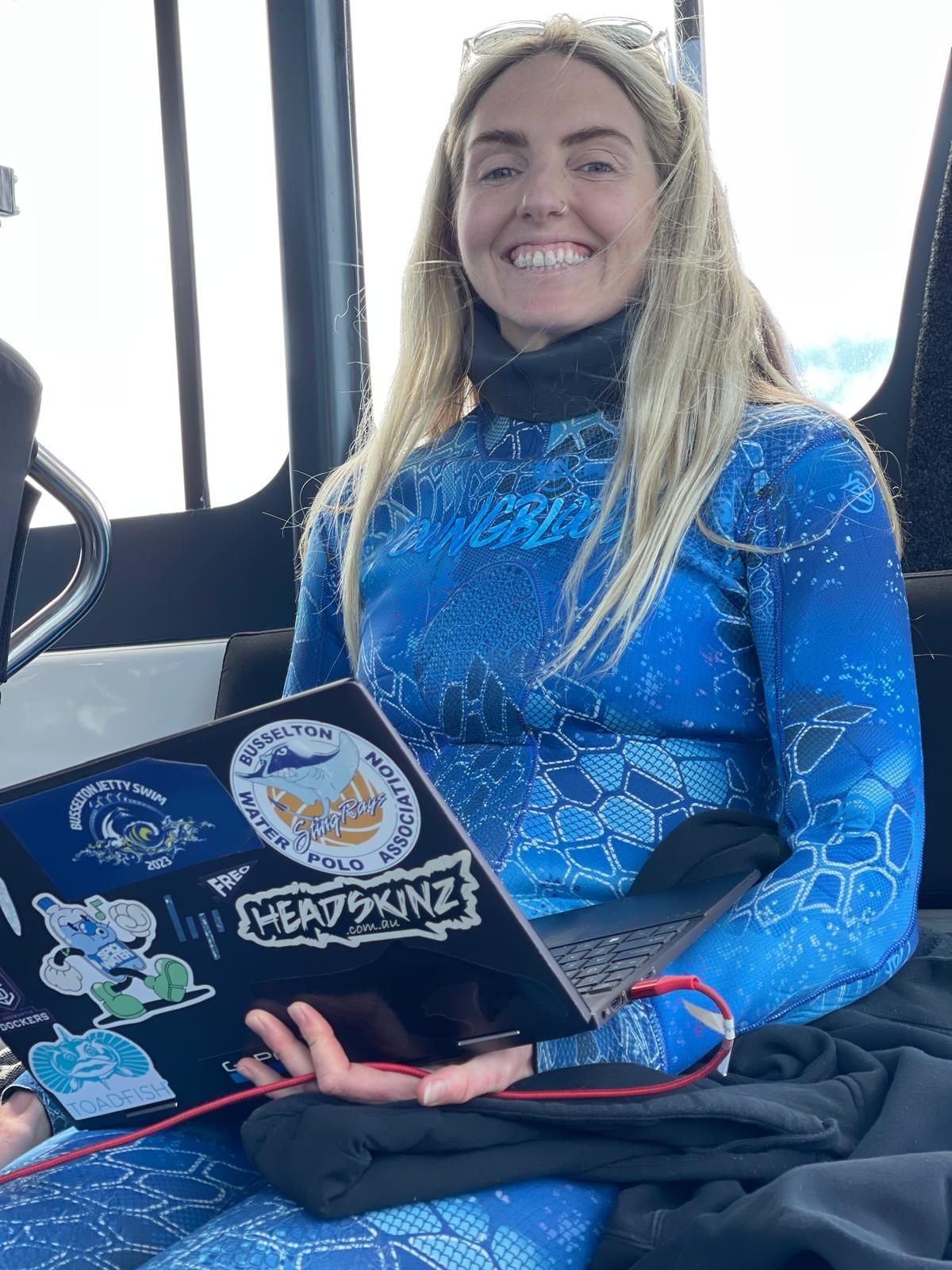
Brodee (fifth from the left) with David Attenborough’s film crew.

Swimming eye to eye with the beautiful animal she’s dedicated her research career to protecting for this once-in-a-lifetime opportunity, completely blew her mind.

“All I had was this little DJI Osmo camera, it was never going to fit the whole 25-metre-long animal in the shot (laughs),” she said.

“I was so overwhelmed I ended up waving at the whale – you can see my hand in the film.

“It was definitely a pinch me moment, I’ve never felt so small yet so connected to the natural world, it was just insane.”

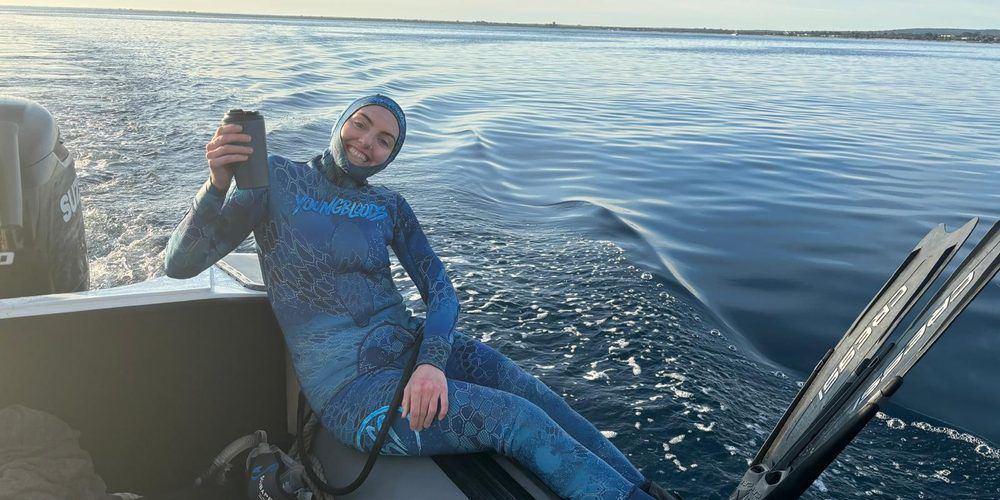
Brodee was a safety diver for David Attenborough’s film, Ocean.

This moment served as a powerful reminder of how deeply connected we are, as humans, to the ocean, and the importance of protecting these fragile yet vital ecosystems.

As our oceans continue to bear the brunt of climate change, paving the way forward for the next generation of aspiring marine scientists has become even more important.

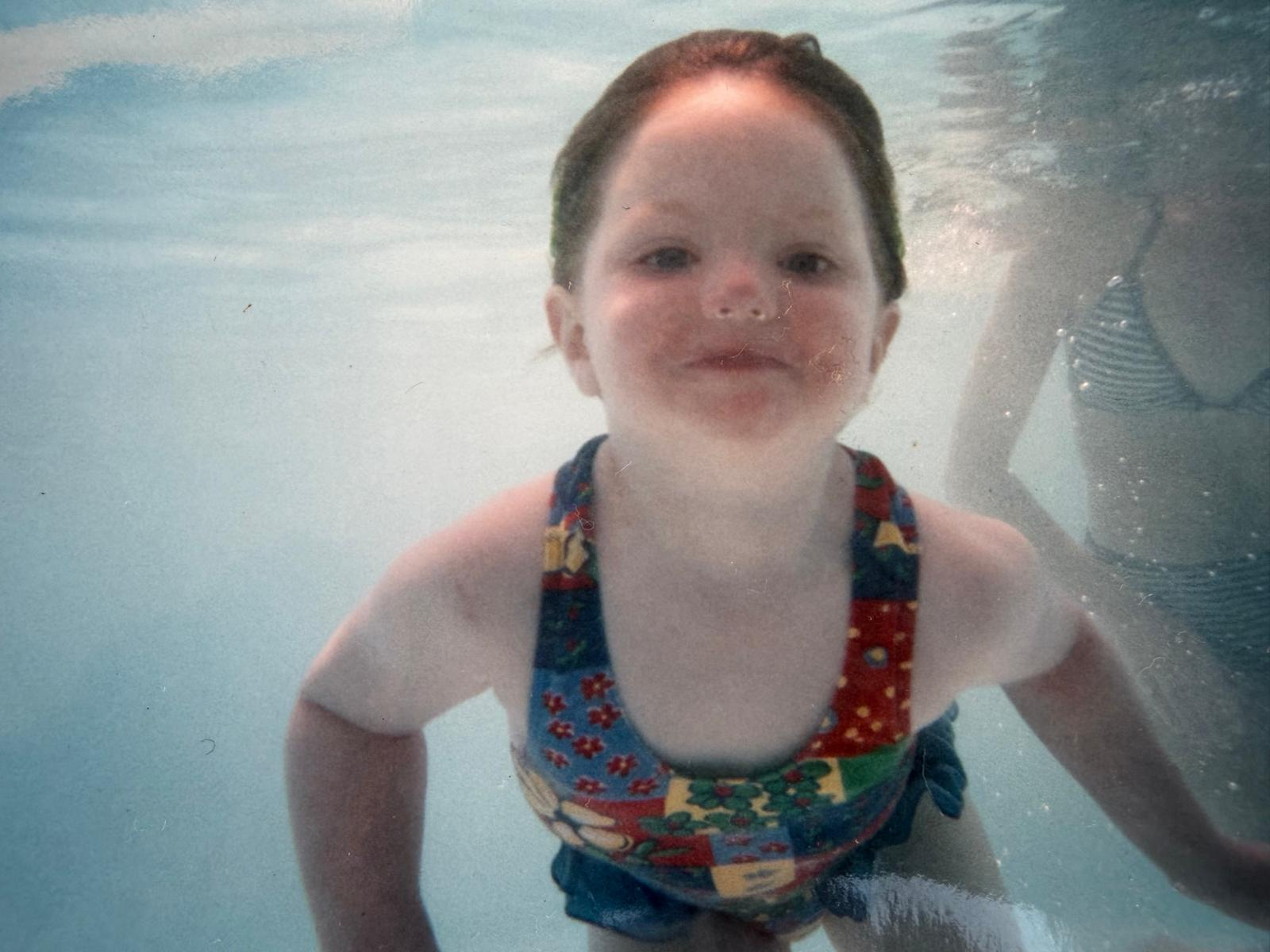
Brodee still remembers the day she fell in love with marine science.

She was eleven years old when a visit to a pearl farm in Broome on the Kimberley coast in Western Australia opened a whole new world of possibility.

A young Brodee was fascinated with water from a young age.

“I didn’t know what marine science was until I went to a pearl farm in Broome,” she said.

“I was helping dissect a pearl out of a clam and it just blew my mind that there was jewellery inside of this living thing.”

That evening her dad explained that studying the ocean and its creatures is a profession. From there, Brodee knew she wanted to be a marine scientist.

But when she approached the end of her undergraduate degree, she yearned for more.

It wasn’t long before she began her Honours in Marine Science at Curtin.

As part of her Honours program, Brodee completed fieldwork onboard a whale watching vessel in WA’s Southwest region, collecting photo-identification imagery of whales to assess their population.

Not long after her degree she began working on the same whale watching vessel as their onboard marine biologist. This is when she witnessed her first pygmy blue whale, and the rest is history.

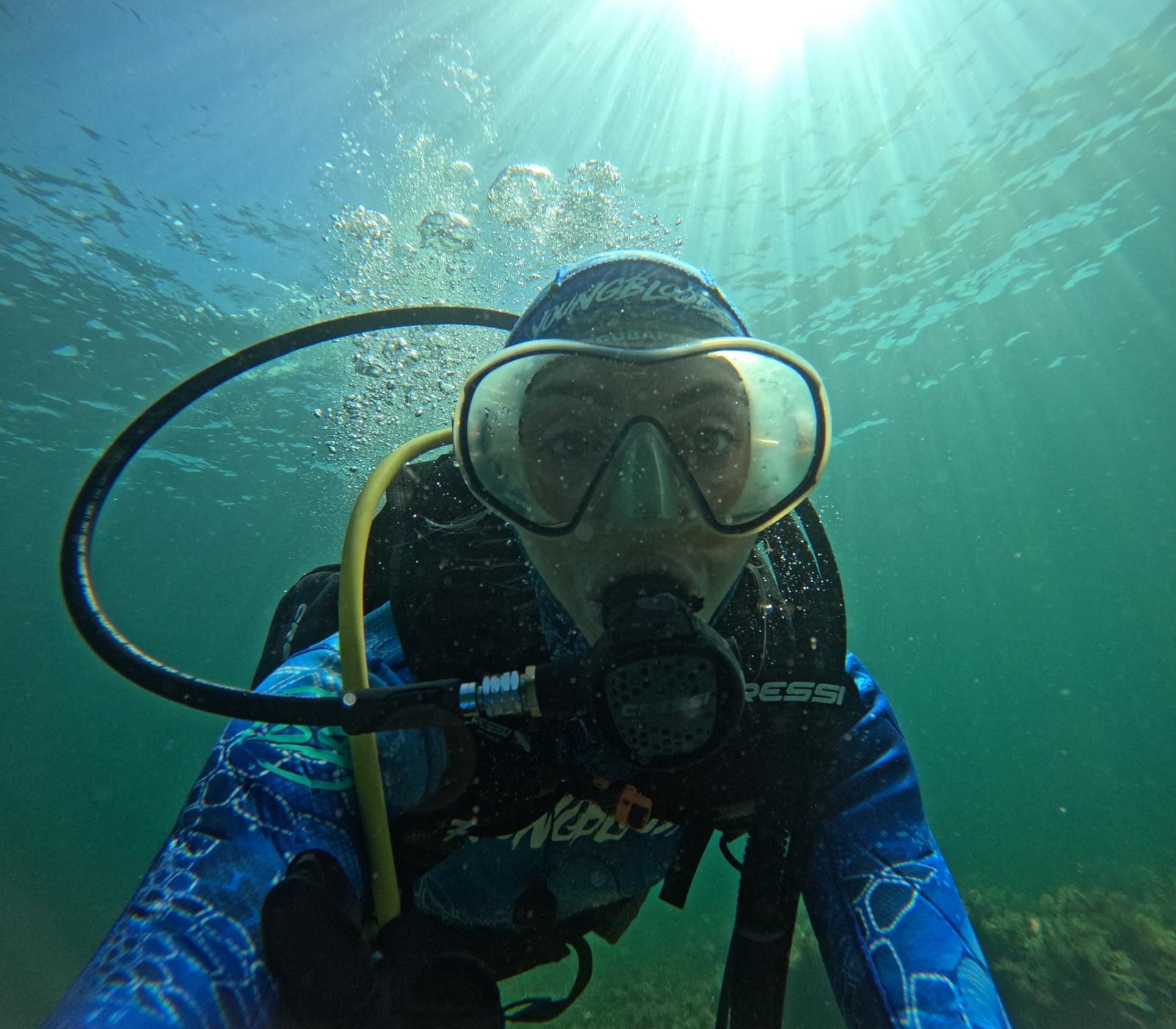
Brodie out on the water.

“I still remember the blue whale coming up from the depths of the crystal-clear water, almost glowing – we call it Gatorade blue,” she said.

“Seeing their exhale blow more than ten metres into the air is an experience, and I couldn’t believe I was being paid to witness this moment, it’s such a dream come true.”

This moment set her on a path toward a post doctorate in the socioeconomic value and acoustic ecology of pygmy blue whales, helping to inform conservation efforts for the endangered species.

But these incredible career opportunities have not come without hard work and perseverance.

Brodee in her element, diving.

Having spent the last decade working in marine science, Brodee has experienced first-hand how challenging it is for early career scientists to break into the industry.

“At the start of my career, I did a lot of volunteering, internships and unpaid work which was overwhelming at times and there were moments where I felt like I wasn’t getting anywhere.”

On a mission to change this, Brodee and her friend, Emily created the to give aspiring marine scientists the network they wish they had when they started their careers.

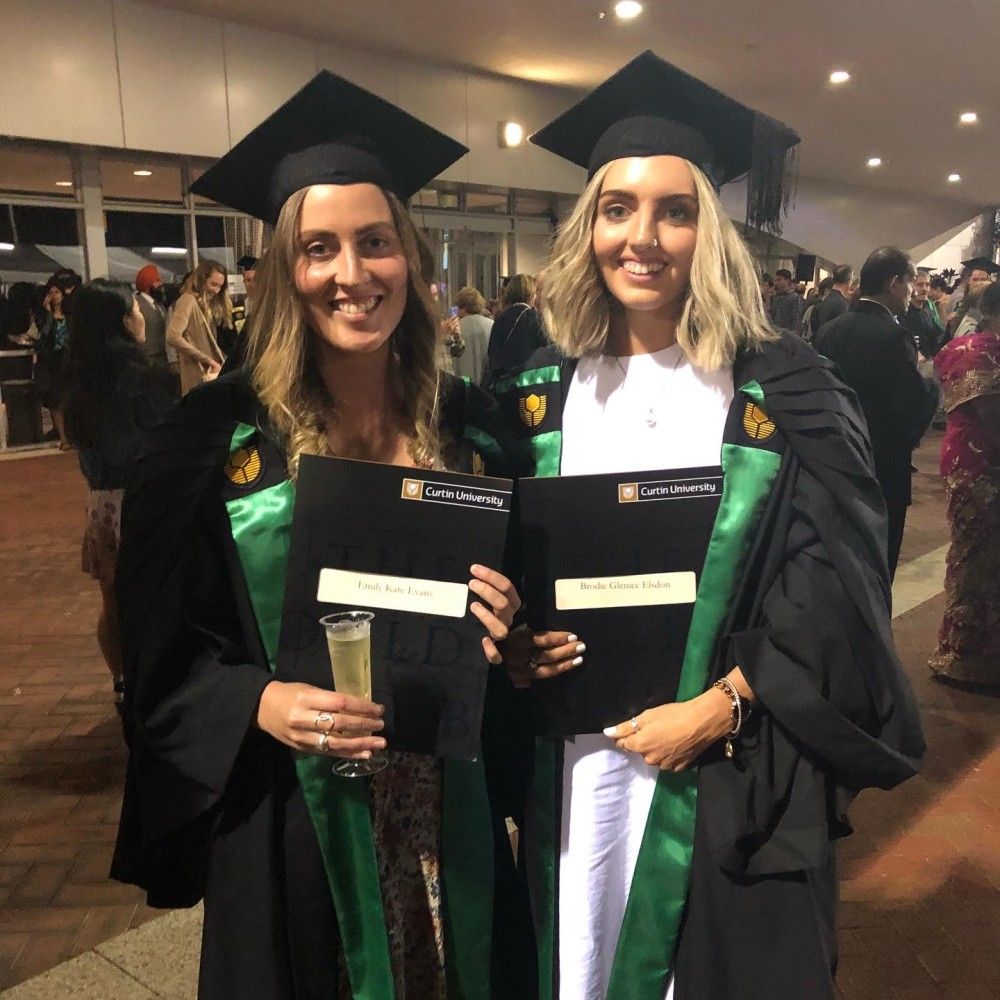
Founders of the Marine Industry Mentoring Network, Emily and Brodee at their Curtin graduation.

Through the power of community, Brodee and Emily have created a space that empowers the next generation of marine professionals through mentorship, hands-on experience and purpose-driven pathways that connect science, industry and community.

“When you leave university, the real world can be overwhelming, so the network is about creating a better community around work that is less about hustle and more about intention,” she said.

Brodee and Emily are passionate about empowering the next generation of marine professionals.

When it comes to pursuing a career in marine science, Brodee’s advice is to say yes before you’re ready.

“Show up, ask questions and don’t underestimate the value of genuine relationships and showing up as the best version of yourself,” she said.

“Marine science is a big world – it’s only until you start working in the industry that you realise how small it actually is, but at the same time it can be really generous to you, as long as your generous to it.”

, Senior Marine Scientist & Co-Founder and Director at and

Graduating from Curtin with a Master of Science (Honours), Brodee is passionate about protecting our marine environment for future generations. With ten years’ experience in the marine industry, Brodee has worked on various marine projects across industry, government, academia and conservation sectors. Currently, she is a PhD Researcher at Curtin’s Centre for Marine Science and Technology (CMST) where she is exploring the socioeconomic value and acoustic ecology of pygmy blue whales in Australian waters.

]]>
0