
Event details
Every living organism leaves tiny traces of DNA behind.
From olive pythons in the Pilbara to invasive species lurking in ports, genetic breadcrumbs loiter in the environment when the organisms hide. Thanks to advances in environmental DNA (eDNA) technologies, scientists – like those at ºìÌÒÊÓƵ’s – can now detect species without ever laying eyes on them.
Join us at this Research Rumble event as we explore how TrEnD Lab researchers are advancing eDNA tools to monitor biodiversity across whole ecosystems and reveal the stories left behind in soil, water and air.
Learn about the discoveries emerging from the TrEnD Lab’s eDGES program (eDNA for Global Environmental Studies) where eDNA is used to tackle pressing biodiversity challenges from habitat loss to monitoring threatened wildlife. eDGES is funded through BHP’s Social Investment Framework, Environmental stream.
Hear from TrEnd Lab Head, Professor Morten Allentoft andBHP’s Principal Biodiversity & Land, Alice Taysom, with Master of Ceremonies ºìÌÒÊÓƵ’s Senior Manager, Research Development and Impact, Rosie Jayasekera.
Meet the TrEnD Lab researchers at the forefront of eDNA science and learn how their findings are shaping the future of biodiversity conservation, including Dr Marina de Oliveira, Professor Simon Jarman, Dr Angus Lawrie, Dr Josh Newton and Dr Nicole White.
This free event is open to all ages and anyone curious about conservation, environmental science, and new technologies helping researchers and industry better understand our natural world.
Light refreshments will be provided.
If you can’t make it in person, you can join us online. Once you’ve registered, you’ll receive a confirmation email with the livestream link.
Date
Wednesday 4 November 2026
Time
5.00pm – 5.30pm: Registration & light refreshments
5.30pm – 7.00pm: Formal proceedings
7.00pm – 7.30pm: Networking & light refreshments
Location
T.L. Robertson Library, Building 105
ºìÌÒÊÓƵ
–
Or online
Presenters & Panellists
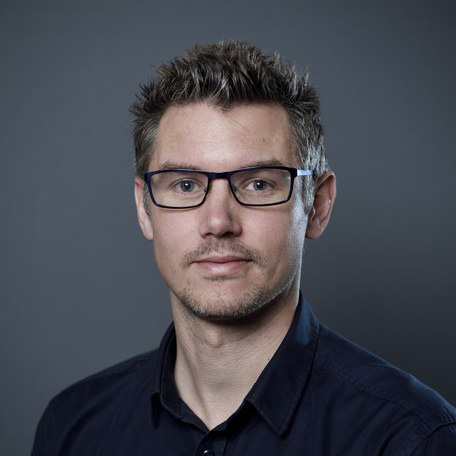
Professor Morten Allentoft
Professor Morten Allentoft is an evolutionary biologist specializing in population genomics and ancient DNA research. He obtained a PhD from Canterbury University in 2011 and then established himself as a group leader at University of Copenhagen.
While his research in the past decade has evolved mostly around ancient humans, he has a broad interest in natural history. His publication list spans a diverse range of topics like prevalence of prehistoric plague, horse domestication, snake venom evolution, millipede speciation, amphibian conservation, megafauna extinctions, and declines in Australian marsupials. In 2020, he was appointed a Professor in Molecular Ecology at ºìÌÒÊÓƵ to lead the Trace and Environmental DNA (TrEnD) Laboratory renowned for its environmental DNA (eDNA) research.
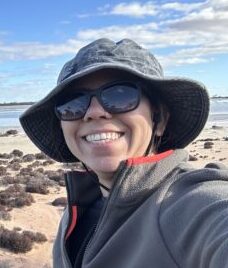
Dr Marina de Oliveira
Dr Marina de Oliveira is an Associate Researcher with the TrEnD Lab and joined in 2025. She completed her PhD in Ecology and Natural Resources at the Universidade Federal de São Carlos (Brazil) in 2023. Her research focuses on monitoring terrestrial vertebrate biodiversity using noninvasive methods, particularly environmental DNA (eDNA) from various sources. At TrEnD, Marina works on refining eDNA sampling techniques in semi-arid and arid ecosystems of Western Australia, with the goal of improving biodiversity detection and understanding ecosystem condition in remote regions.
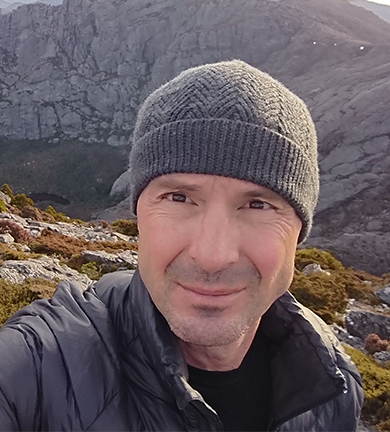
Professor Simon Jarman
Professor Simon Jarman is a Professor at ºìÌÒÊÓƵ where he leads a team working on Environmental Genomics. His research focuses on new applications of genetic technologies to research and management questions in natural environments. Examples include the development of epigenetic clocks that identify the age of an animal; genome analyses methods that estimate the lifespan of species; and new analyses of environmental DNA data that estimate quantities of species in an environment.
Professor Jarman is particularly interested in developing genetic methods that have a real world application that improves the way people manage the biosphere.
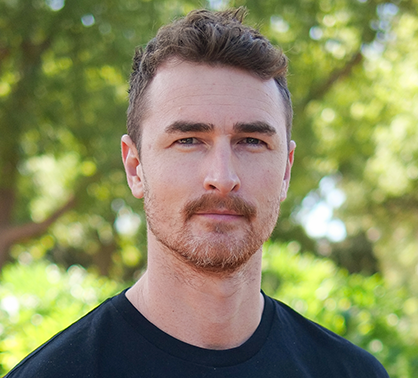
Dr Angus Lawrie
Dr Angus Lawrie is a postdoctoral researcher in the School of Molecular and Life Sciences at ºìÌÒÊÓƵ, working within Professor Morten Allentoft’s TrEnD Laboratory. His research applies environmental and ancient DNA to freshwater ecology and biodiversity across south-western and north-western Australia. Angus completed his PhD at Murdoch University, using DNA to investigate the ecology and evolution of salt lake snails, and previously worked in environmental consulting.
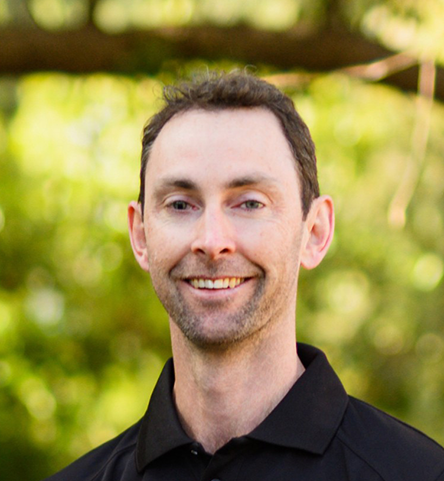
Dr Josh Newton
Dr Joshua Newton is a molecular ecologist specialising in terrestrial environmental DNA (eDNA). His research explores new ways of detecting and monitoring animals from the DNA they leave behind in the environment, from vertebrate DNA captured in spider webs to airborne eDNA collected across large landscapes. His current work focuses on developing more efficient methods for capturing reptile DNA in the field, addressing the challenges of using eDNA to monitor this low-shedding taxon.
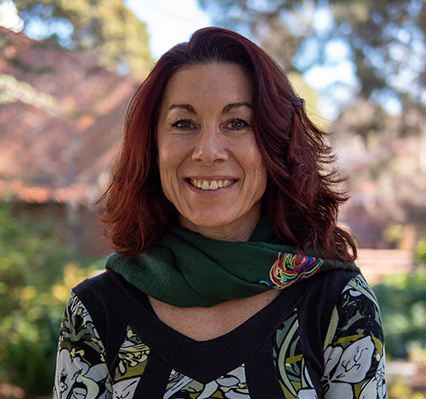
Dr Nicole White
Dr Nicole White is a Senior Research Fellow at ºìÌÒÊÓƵ. She uses cutting-edge genetic technologies to support the conservation and management of Australia’s unique and endangered fauna. She was awarded her PhD in 2012 for developing the genetic tools for WA’s endangered white-tailed black-cockatoos and joined ºìÌÒÊÓƵ in 2014. Her current research focuses on developing innovative environmental DNA tools to detect subterranean fauna, unlocking new possibilities for monitoring and protecting Australia’s hidden groundwater ecosystems.
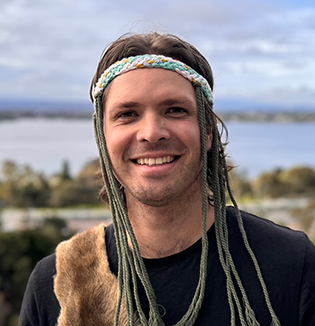
Alton Walley
Alton Walley is a Noongar man with family connections to seven of the fourteen Noongar Nations. His deep respect for his culture alongside his keen passion for the creative arts and education have been central pillars throughout his career. Alton is a published author, filmmaker, traditional dancer, and performer; believing the arts can create lasting change for the better.
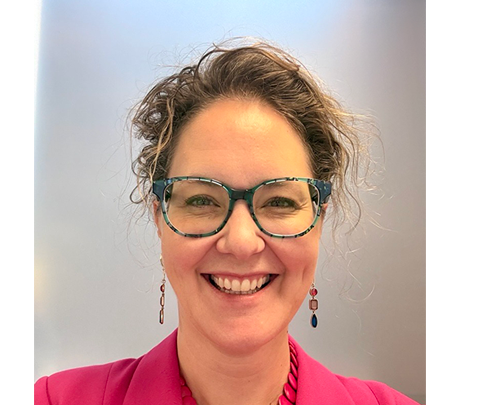
Rosie Jayasekera
Rosie Jayasekera is the Senior Manager, Research Development and Impact at ºìÌÒÊÓƵ, helping researchers turn great ideas into funded projects and real-world outcomes. Research plays a vital role in our society, in solving problems that make people’s lives and the world we share better for all. Rosie leads multidisciplinary teams that support researchers in winning grants to fund this research and in showcasing the positive change that it produces.
Activation Booth
eDNA Frontiers
Our innovative initiative seeks to explore and build upon new environmental DNA (eDNA) technologies developed at ºìÌÒÊÓƵ.
eDNA Frontiers has a wide research collaboration experience and continues to rapidly expand with a number of clients and partners in Australia and abroad. eDNA Frontiers uses its expertise in isolating and characterising environmental DNA to address a variety of biological questions. Our services apply to four main sectors: Oil and Gas, Environmental Impact Assessment, Conservation and Biodiversity, Port Monitoring and Shipping.
Access
We are committed to making our events as accessible and inclusive as possible. Refer to our for more information.
Contact us
To find out more about Research Rumble, contact the Research Engagement and Impact (EI) team.